How I Fixed My Daily Slump with Simple TCM Tweaks
Ever feel tired no matter how much you sleep? I did—until I tried gentle Traditional Chinese Medicine (TCM) adjustments. No drastic changes, just small, consistent habits. I’m not a doctor, but after months of testing, I noticed real shifts: more energy, better digestion, clearer mind. This isn’t about quick fixes. It’s about working with your body, not against it. Let me share what actually helped—naturally and safely.
The Hidden Imbalance Behind Everyday Fatigue
Many women in their 30s, 40s, and beyond report persistent fatigue, even when they eat well and get eight hours of sleep. In Western medicine, this is often labeled as stress or hormonal shifts. But Traditional Chinese Medicine offers a different lens: it sees fatigue not as a standalone symptom but as a signal of deeper imbalance. According to TCM, the body runs on Qi—a vital energy that flows through pathways called meridians. When Qi is deficient or blocked, the result is physical and mental exhaustion.
One of the most common patterns TCM identifies is Qi stagnation, often caused by emotional stress, irregular routines, or poor dietary habits. Imagine a river that’s meant to flow freely but has become clogged with debris. The water slows, the ecosystem suffers, and life around it weakens. That’s what happens when energy flow in the body is disrupted. Symptoms like afternoon crashes, difficulty concentrating, or bloating after meals aren’t just normal signs of aging—they’re indicators that your internal system is out of sync.
Another frequent issue is Spleen Qi deficiency, which in TCM refers not to the organ itself but to a functional system responsible for transforming food into usable energy. When this system is weak, even nutritious meals may not provide lasting fuel. You might feel full but still tired, or experience cravings for sweets as the body seeks a quick energy boost. Recognizing these patterns is the first step toward meaningful change. Instead of reaching for another cup of coffee, TCM encourages you to ask: what is my body trying to tell me?
Why TCM Adjustment Works Differently in Recovery
Unlike conventional medicine, which often targets symptoms with medication, TCM focuses on restoring balance through natural, supportive practices. It operates on the principle that the body has an innate ability to heal itself when given the right conditions. This doesn’t mean ignoring medical care—it means complementing it with lifestyle habits that align with your body’s rhythms.
For example, while a doctor might prescribe stimulants for low energy, TCM might recommend acupressure on specific points known to support energy flow, such as Zusanli (ST36), located below the knee. Stimulating this point has been studied for its potential to enhance vitality and support digestive function. Similarly, herbal infusions like Dang Shen or Huang Qi are traditionally used to tonify Qi, though they should be used under guidance, especially if you have existing health conditions.
The strength of TCM lies in its consistency and gentleness. It doesn’t promise overnight results but emphasizes daily practices that, over time, create lasting shifts. Think of it like tending a garden: you don’t dig up the plants every day to check their roots. Instead, you water them regularly, ensure they get sunlight, and remove weeds. In the same way, small, repeated actions—like mindful breathing, warm meals, or early bedtime—nurture your internal environment. The body responds not to intensity but to regularity.
This approach is especially valuable for women managing household responsibilities, careers, and personal health. It doesn’t require extra time or expensive treatments. Instead, it integrates into daily life—making self-care sustainable rather than another burden on an already full schedule.
Morning Rituals to Wake Up Your Qi Naturally
How you start your day can set the tone for your energy levels hours later. In TCM, the morning is a critical window for activating Qi and preparing the body for the day’s demands. One simple yet powerful habit is tapping or gently massaging the Pericardium 6 point, located on the inner forearm about three finger-widths from the wrist. This point is traditionally associated with calming the heart and improving circulation, making it ideal for easing into the day with clarity.
Another effective practice is drinking a cup of warm water with a slice of lemon or a small piece of ginger upon waking. Cold drinks, especially first thing in the morning, are believed in TCM to slow down digestion and congeal Qi. Warm liquids, on the other hand, help “melt” stagnation and awaken the digestive fire, known as the Spleen and Stomach systems in TCM. This small shift can prevent the sluggishness many women feel after breakfast.
Adding a short movement practice like Baduanjin, or the Eight Brocades, takes only five to ten minutes and can significantly improve energy flow. These slow, deliberate movements coordinate breath with gentle stretching and are designed to open energy channels. I began with just three movements each morning—lifting the sky, drawing the bow, and adjusting the spleen and stomach. Within three weeks, I noticed I no longer needed a mid-morning coffee to stay alert.
These rituals don’t require special equipment or training. They fit seamlessly into a busy morning routine, even with children to feed or work to prepare for. The key is consistency. Over time, these small inputs accumulate, creating a stronger foundation of energy that sustains you through the day.
Dietary Tweaks Rooted in TCM Principles
In TCM, food is not just fuel—it’s medicine. But this doesn’t mean restrictive diets or complicated meal plans. Instead, it’s about making mindful choices that support your body’s natural functions. One of the most impactful shifts I made was moving away from cold and raw foods, especially in the morning. Smoothies and iced drinks, while popular, are considered cooling and hard to digest in TCM, particularly for those with Spleen Qi deficiency.
Replacing cold beverages with warm herbal teas like chrysanthemum, mint, or a simple infusion of ginger and红枣 (red dates) made a noticeable difference in my digestion. Red dates, in particular, are valued in TCM for their ability to nourish Qi and blood, making them ideal for women who feel fatigued or run-down. I began adding two or three to my morning tea, and within weeks, I felt less bloated and more grounded after meals.
Another key principle is eating with the seasons. In winter, warming foods like soups, stews, and root vegetables are encouraged. In summer, lighter, cooling foods like cucumber or mung beans are appropriate. This seasonal awareness helps the body adapt to environmental changes and maintain balance. I started planning my meals around what was fresh and local, and found that my appetite stabilized and cravings decreased.
Cooking methods also matter. Steaming, stewing, and slow-cooking are preferred in TCM because they make food easier to digest and preserve its energetic properties. I shifted from raw salads for lunch to warm grain bowls with lightly cooked vegetables and a small portion of protein. The change was subtle, but the impact was clear: more steady energy, fewer afternoon slumps, and better sleep at night.
Breathing and Movement: Gentle Ways to Unblock Energy
Stress and sedentary lifestyles are major contributors to Qi stagnation. When we sit for long periods, breathe shallowly, or hold tension in our shoulders, energy becomes trapped. The good news is that simple breathing and movement practices can release this stagnation without requiring a gym membership or hours of time.
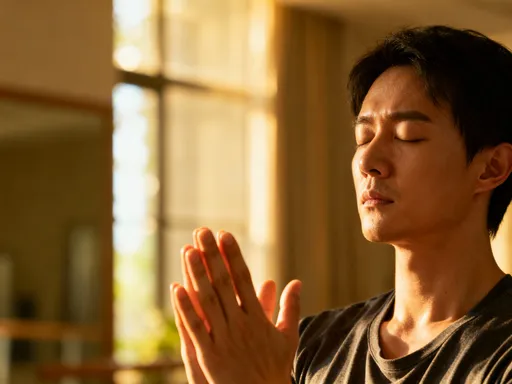
Diaphragmatic breathing—deep, slow breaths that expand the belly—is one of the most accessible tools. I started with just two minutes each morning and evening, focusing on inhaling for four counts, holding for four, and exhaling for six. This pattern activates the parasympathetic nervous system, helping the body shift from “fight or flight” to “rest and digest.” Over time, I increased to five minutes twice a day, and the effects were profound: reduced anxiety, improved focus, and a greater sense of calm.
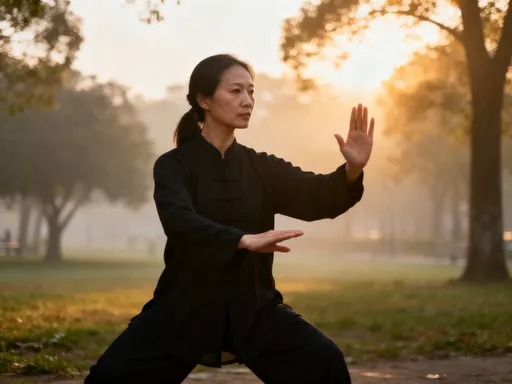
For movement, Tai Chi and Qi Gong are excellent choices. These practices combine slow, flowing motions with breath and mental focus, making them ideal for women seeking low-impact ways to stay active. I joined a local community class for Qi Gong and practiced at home on days I couldn’t attend. Even ten minutes a day helped me feel more centered and less reactive to daily stressors.
One of my favorite exercises is the “lifting the sky” movement from Baduanjin. Standing with feet shoulder-width apart, I slowly raise my hands overhead as I inhale, then lower them as I exhale, visualizing energy circulating through my body. It takes less than a minute but creates an immediate sense of openness in the chest and shoulders. These practices aren’t about performance—they’re about presence. When done regularly, they help restore the natural rhythm of Qi and support emotional balance.
Sleep and Circadian Rhythms in TCM View
Sleep is when the body repairs and rejuvenates, and in TCM, it’s deeply tied to organ function and energy flow. Each organ system is believed to be most active during a two-hour window in the 24-hour cycle. For example, the liver is most active between 1 a.m. and 3 a.m. and plays a key role in detoxification and emotional regulation. If you consistently wake during this time, TCM might interpret it as liver Qi stagnation, often linked to stress or unresolved emotions.
The gallbladder, active from 11 p.m. to 1 a.m., is associated with decision-making and courage. Going to bed before 11 p.m. supports this system and promotes deeper, more restorative sleep. I used to stay up late finishing chores or watching TV, but I gradually shifted my routine by setting a “wind-down” time at 10 p.m. This included turning off screens, dimming lights, and drinking a cup of calming tea like chamomile or linden.
Creating a bedtime ritual made a significant difference. Within two weeks, I fell asleep faster and stayed asleep longer. I also noticed that my mood in the morning was brighter, and I had less brain fog. TCM emphasizes that sleep is not passive—it’s an active process of renewal. When we honor our natural rhythms, we give the body the time it needs to restore balance.
Another helpful practice was avoiding heavy meals and intense conversations close to bedtime. In TCM, the stomach should be “empty” by the time you sleep, allowing the spleen and stomach systems to rest. I moved dinner earlier and made it lighter, focusing on warm, easily digestible foods. This small change reduced nighttime discomfort and improved sleep quality.
When to Seek Professional Guidance
While self-care practices can make a meaningful difference, there’s no substitute for personalized care from a licensed TCM practitioner. These professionals are trained to diagnose patterns of imbalance through methods like pulse reading, tongue analysis, and detailed health history. What looks like fatigue to you might be rooted in kidney Qi deficiency, liver stagnation, or another pattern that requires a tailored approach.
I consulted a TCM practitioner after several months of self-guided adjustments. She identified a mild Spleen Qi deficiency and recommended a short-term herbal formula containing Huang Qi and Bai Zhu, both known for supporting energy and digestion. She also suggested weekly acupuncture sessions to help move stagnant Qi. While I continued my home practices, the professional guidance deepened my understanding and accelerated my progress.
It’s important to note that herbal remedies are not one-size-fits-all. What works for one person may not be suitable for another, especially if you have chronic conditions or are taking medications. Always consult a qualified practitioner before starting any new supplement or treatment. Acupuncture, when performed by a licensed professional, is generally safe and well-tolerated, with many women reporting improvements in energy, sleep, and digestion.
Professional TCM care complements, rather than replaces, conventional medicine. If you’re dealing with persistent fatigue, it’s wise to consult your healthcare provider to rule out conditions like anemia, thyroid issues, or sleep apnea. TCM can be a valuable part of an integrative approach, offering tools to support your body’s resilience and vitality.
Conclusion
TCM adjustment isn’t magic—it’s mindfulness in action. By listening to your body and making gentle, informed choices, rehabilitation becomes a natural part of life. These methods won’t replace medical care, but they can support it. Start small, stay consistent, and let balance find you. Whether it’s sipping warm water in the morning, taking five minutes to breathe deeply, or adjusting your bedtime by 30 minutes, each step matters. Over time, these small shifts add up to lasting change. For women juggling multiple roles, TCM offers a compassionate, sustainable path to feeling more like yourself—calm, capable, and full of quiet strength.