Why the Keto Hype Left Me Hangry and How I Fixed It
The ketogenic diet promised energy, clarity, and weight loss—so why did I feel drained, irritable, and stuck? I jumped in headfirst, cutting carbs like a pro, only to hit hidden roadblocks. Turns out, I wasn’t alone. Many people misunderstand keto, turning a powerful health concept into a recipe for burnout. This is what went wrong—and how real adjustments brought real results. What began as a journey toward vitality became a lesson in balance, listening to my body, and redefining what sustainable health truly means. The answers weren’t in stricter rules, but in smarter, kinder choices.
The Allure of Ketosis: What Keto Really Promises
The ketogenic diet has captured widespread attention for its bold promise: transform the way your body fuels itself. At its core, keto is built on a shift in metabolism—moving from relying primarily on glucose, derived from carbohydrates, to burning fat for energy. When carbohydrate intake drops significantly, usually to under 50 grams per day, insulin levels fall, and the liver begins converting fat into molecules called ketones. These ketones then serve as an alternative fuel source for the brain and body, a state known as ketosis. This metabolic switch is not a fad; it’s a natural physiological process that humans evolved to survive periods of food scarcity.
Supporters of the ketogenic approach highlight several intended benefits. One of the most commonly reported is stable energy. Unlike the spikes and crashes associated with high-carb meals, fat provides a slow, steady release of fuel, which many say helps eliminate the afternoon slump. Another frequently cited advantage is reduced hunger and fewer cravings. Because fat and protein are more satiating than carbohydrates, people often find they eat less without feeling deprived. Additionally, some studies suggest low-carb diets can support weight management and improve markers of metabolic health, such as blood sugar control and triglyceride levels—though individual results vary.
Beyond physical changes, many are drawn to keto for mental clarity. Some users report sharper focus and improved concentration once they adapt to ketosis. While the science behind this is still evolving, researchers believe ketones may offer a more efficient fuel for brain cells, particularly in certain neurological conditions. For those struggling with energy fluctuations, sugar dependence, or insulin resistance, the idea of reclaiming control over their metabolism is deeply appealing. The allure of keto lies not just in weight loss, but in the promise of a more balanced, resilient body.
Yet, despite these potential benefits, success is not guaranteed. Ketosis is a powerful metabolic tool, but it’s not a one-size-fits-all solution. Achieving and maintaining this state requires careful attention to food choices, nutrient balance, and individual response. Many who begin keto do so with enthusiasm but lack the foundational knowledge to implement it effectively. As a result, the very outcomes they seek—energy, focus, and well-being—can feel just out of reach. Understanding what keto truly offers is the first step in separating realistic expectations from hype.
My Crash-and-Burn Start: When Keto Went Wrong
I began my keto journey with high hopes. I had read the success stories, seen the dramatic before-and-after photos, and was eager to experience the promised transformation. I cleared my pantry of bread, pasta, rice, and sugar. I stocked up on cheese, bacon, eggs, and butter—foods I now believed were the keys to a leaner, sharper version of myself. For the first few days, I felt a sense of accomplishment. I was sticking to the plan. But by the end of the first week, that pride gave way to exhaustion, irritability, and a foggy mind that made even simple tasks feel overwhelming.
I expected a brief adjustment period, but what I experienced felt more like a system failure. I was tired all the time, even after a full night’s sleep. My concentration slipped. I snapped at my family over minor things. I craved salt so intensely that I found myself eating pickles straight from the jar. I had expected to feel lighter and more energetic, but instead, I felt worse than before I started. I wasn’t alone—later, I learned this cluster of symptoms has a name: the “keto flu.” It’s a common experience during the early phase of carbohydrate restriction, but no one had prepared me for how real and disruptive it could be.
Looking back, I made several critical mistakes. First, I drastically reduced my calorie intake, assuming that eating fat would suppress my appetite enough to make up for it. But my body was in a state of metabolic transition, and it needed fuel. Second, I didn’t pay attention to electrolytes. With lower insulin levels, the kidneys excrete more sodium, and without replenishing it, dehydration and fatigue quickly set in. Third, I misunderstood what kinds of fats to prioritize. I was eating processed meats and refined oils, not realizing that not all fats support long-term health. My version of keto was rigid and extreme, focused more on what I was eliminating than on what I was nourishing my body with.
This early failure taught me an important lesson: keto is not just about cutting carbs. It’s about replacing them wisely, supporting your body through the transition, and listening to its signals. When I treated the diet as a set of strict rules rather than a flexible health strategy, I set myself up for frustration. The real issue wasn’t the concept of ketosis—it was my approach to it. Once I began to understand the physiological changes happening inside me, I could start making informed adjustments that made a real difference.
The Hidden Pitfalls Most People Ignore
One of the biggest challenges of the ketogenic diet is that it eliminates entire food groups—most notably grains, legumes, fruits, and starchy vegetables. While this shift can be beneficial for some, it also increases the risk of nutrient deficiencies if not carefully managed. Many people don’t realize how much fiber, vitamins, and antioxidants they lose when they cut out whole grains and certain fruits. Over time, this can affect digestion, immune function, and overall energy levels. Without a deliberate effort to include nutrient-dense, low-carb alternatives like leafy greens, broccoli, and avocados, the diet can become unbalanced.
Electrolyte imbalance is another frequently overlooked issue. Sodium, potassium, and magnesium play vital roles in nerve function, muscle contractions, and hydration. When insulin levels drop on a low-carb diet, the kidneys release more sodium, which in turn leads to the loss of potassium and magnesium. This trio of lost minerals is directly linked to symptoms like headaches, cramps, fatigue, and brain fog—common complaints during the initial phase of keto. Yet, many newcomers dismiss these as temporary inconveniences rather than signs of a real physiological need. Addressing this isn’t complicated, but it does require awareness and small, consistent actions like adding salt to meals or including potassium-rich foods such as spinach and mushrooms.
Beyond the physical, there’s an emotional and social cost to rigid eating patterns. The pressure to stay “perfectly” in ketosis can create anxiety around food. Social gatherings become stressful when most dishes contain hidden carbs. Dining out turns into a high-stakes game of guessing ingredients. Over time, this can lead to isolation, especially for women who often play central roles in family meals and social events. The diet that was meant to improve health can inadvertently strain relationships and reduce quality of life. Perfectionism in eating rarely leads to long-term success; instead, it often leads to burnout and eventual abandonment of the plan.
Sustainability is perhaps the most important factor that gets ignored. A diet that feels like a constant battle is unlikely to last. Health is not a short-term achievement but a lifelong practice. If a way of eating doesn’t fit into real life—with holidays, travel, and changing routines—it’s not a solution, no matter how effective it may seem in the short term. Recognizing these hidden pitfalls allowed me to shift my mindset from strict adherence to thoughtful adaptation, making room for both science and practicality.
Fat Isn’t Just Fat: Quality Over Quantity
One of the most misunderstood aspects of the ketogenic diet is the type of fat you consume. Early on, I believed that as long as I was eating fat, I was doing keto right. I loaded up on processed meats, fried foods, and industrial seed oils—thinking they were acceptable because they were low in carbs. What I didn’t realize was that not all fats are created equal. Just as your car runs better on high-quality fuel, your body functions best when it’s powered by wholesome, unprocessed fats.
Healthy fats support cell function, hormone production, and brain health. These include monounsaturated and polyunsaturated fats found in foods like avocados, olive oil, nuts, and fatty fish. Omega-3 fatty acids, particularly from sources like salmon and walnuts, are known for their anti-inflammatory properties and cardiovascular benefits. On the other hand, highly processed fats—such as those in fried snacks, margarine, and packaged baked goods—can promote inflammation and negatively affect heart health over time. Simply increasing fat intake without considering quality can undermine the very health goals keto is meant to support.
Choosing whole-food sources of fat makes a significant difference. A handful of almonds, a sliced avocado on salad, or a piece of grilled salmon provides not only fat but also fiber, protein, and essential micronutrients. In contrast, a bacon cheeseburger dripping with processed cheese and mayonnaise offers little beyond saturated fat and sodium, with minimal nutritional value. The goal isn’t to fear fat, but to respect it as a powerful nutrient that deserves thoughtful selection.
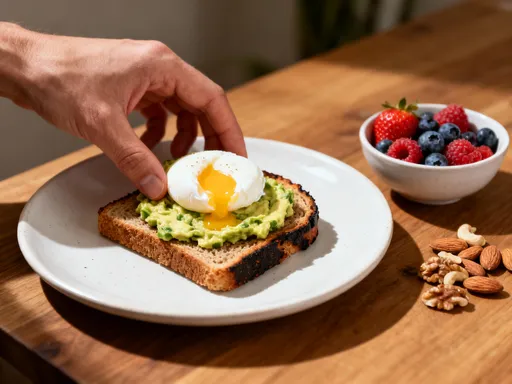
Making this shift didn’t mean giving up flavor or satisfaction. I learned to cook with extra virgin olive oil, drizzle it over roasted vegetables, and use it in homemade dressings. I added chia seeds and flaxseeds to my morning yogurt (a low-carb version with added protein). I enjoyed full-fat Greek yogurt with a few berries and a sprinkle of nuts. These small changes enhanced both the taste and the nutritional profile of my meals. Focusing on fat quality transformed my experience of keto from a restrictive, processed-food-heavy plan into a nourishing, balanced way of eating.
Protein Paradox: Why Too Little or Too Much Backfires
Protein often gets overlooked in keto discussions, yet it plays a crucial role in long-term success. Some people drastically reduce protein, fearing it might kick them out of ketosis through a process called gluconeogenesis, where the body converts protein into glucose. While this process does occur, it’s tightly regulated and doesn’t typically disrupt ketosis under normal eating conditions. In fact, skimping on protein can lead to muscle loss, slower metabolism, and increased hunger—outcomes that work against weight management and energy levels.
On the other end of the spectrum, some keto followers go overboard with protein, treating every meal as a chance to load up on meat. While protein is essential, excessive intake can also interfere with ketosis, especially if fat intake is too low. The goal is balance: enough protein to preserve muscle and support satiety, but not so much that it displaces healthy fats, which are the primary fuel source in a ketogenic diet. For most adults, a moderate protein intake—around 0.6 to 0.8 grams per pound of lean body mass—is sufficient, though individual needs vary based on age, activity level, and health goals.
A practical way to gauge portions is to use your hand as a guide. A serving of protein should be about the size of your palm and the thickness of your hand. This simple method helps avoid both under- and overeating without requiring precise weighing or tracking. Including protein in every meal also helps stabilize blood sugar and keeps you feeling full longer. I found that adding a modest portion of eggs, chicken, or tofu to my meals made a noticeable difference in my energy and appetite control.
Protein also supports long-term metabolic health. As we age, maintaining muscle mass becomes increasingly important for mobility, balance, and overall vitality. A diet that neglects protein can accelerate muscle loss, especially if physical activity is limited. By viewing protein not as an enemy or a main event, but as a supportive component of a balanced plate, I was able to build a more sustainable and health-promoting version of keto.
The Forgotten Key: Electrolytes and Hydration
If there’s one factor that can make or break the early keto experience, it’s electrolytes. Water is important, but it’s not enough. When you reduce carbohydrate intake, your body stores less glycogen, and each gram of glycogen is bound to about three grams of water. As glycogen depletes, water is released and excreted, along with essential minerals like sodium, potassium, and magnesium. This rapid fluid and mineral loss is the primary cause of the keto flu—yet many people only focus on drinking more water, not on replacing what’s being lost.
Sodium is often unfairly villainized, but it’s critical for maintaining blood pressure, nerve function, and fluid balance. On keto, adding a pinch of salt to meals or sipping on broth can make a dramatic difference in energy and mood. Potassium, found in foods like avocado, spinach, and mushrooms, helps regulate muscle function and prevent cramps. Magnesium, which many people are already deficient in, supports relaxation, sleep, and muscle health. A simple way to replenish it is through foods like pumpkin seeds, dark leafy greens, and nuts—or even a nightly Epsom salt bath, which allows magnesium absorption through the skin.
I made it a habit to start my day with a cup of warm broth or add extra salt to my scrambled eggs. I kept a small dish of salt on the table and allowed myself to season food to taste. I also increased my intake of potassium-rich vegetables and included a small handful of nuts daily for magnesium. These small, consistent habits virtually eliminated my symptoms within a week. Hydration became not just about water, but about mineral balance. Once I understood this, the transition from glucose to fat burning became much smoother.
It’s important to note that commercial electrolyte supplements are not necessary for most people. Simple, whole-food strategies are effective and affordable. The key is consistency and awareness. Your body is not designed to thrive on extremes; it thrives on balance. By respecting its need for essential minerals, I was able to move past the initial hurdles and experience the real benefits of metabolic flexibility.
Making Keto Sustainable: Flexibility Over Perfection
The turning point in my journey came when I stopped chasing perfection and started listening to my body. I realized that health isn’t about rigid adherence to a set of rules, but about creating a lifestyle that supports energy, mood, and long-term well-being. I began to view keto not as an all-or-nothing diet, but as a framework—one that could be adapted to fit my life, not the other way around. This shift in mindset allowed me to incorporate more variety, enjoy meals with my family, and reduce the anxiety that had once surrounded food choices.
I adopted a modified approach, focusing on whole, nutrient-dense foods rather than strict carb counting. I allowed myself occasional higher-carb meals—like a small serving of sweet potato or a slice of fruit—without guilt. I discovered that my body could return to fat-burning mode quickly, especially when I maintained a generally low-carb, high-fat foundation. This flexibility reduced the sense of deprivation and made the plan feel sustainable. I no longer felt like I was failing when I ate something outside the “rules”; instead, I saw food as part of a larger, balanced picture.
Mindful eating became a cornerstone of my new approach. I paid attention to hunger and fullness cues, ate slowly, and savored my meals. I stopped using food as a reward or punishment and began to see it as nourishment. I also prioritized sleep, stress management, and movement—recognizing that diet is just one piece of the health puzzle. When I treated my body with kindness and respect, the results followed naturally.
Today, I no longer identify strictly as “keto.” Instead, I follow a low-carb, whole-food lifestyle that emphasizes balance, variety, and enjoyment. The principles of ketosis—metabolic flexibility, reduced sugar dependence, and stable energy—remain valuable tools in my health toolkit. But they are tools, not dogma. The goal is not to stay in ketosis at all costs, but to support long-term vitality. By moving away from extremes and embracing a more inclusive, compassionate approach, I found not just better health, but a better relationship with food—and with myself.