Why Your Skin Cares How You Feel: A Science-Backed Story
You might not realize it, but your skin and emotions are deeply connected. Stress, anxiety, and mood swings don’t just live in your mind—they show up on your face. Breakouts, redness, and dryness often flare when emotions run high. This isn’t just coincidence; science shows the skin-brain axis is real. In this article, we’ll explore how emotional health impacts your skin, what happens inside your body, and practical, science-supported ways to calm both mind and complexion—no miracle cures, just real understanding.
The Skin-Emotion Connection: More Than Just Stress Acne
The relationship between emotional well-being and skin health is not imagined—it is rooted in biology. For decades, dermatologists and psychologists have observed that emotional distress frequently coincides with skin flare-ups. This field of study, known as psychodermatology, explores how psychological factors such as stress, anxiety, and depression influence skin conditions like acne, eczema, psoriasis, and rosacea. Unlike surface-level assumptions that link only stress to breakouts, psychodermatology reveals a far more intricate network of interactions between the nervous system, immune function, and skin integrity.
When the body experiences emotional strain, it activates the hypothalamic-pituitary-adrenal (HPA) axis—the central stress response system. This triggers the release of cortisol, commonly known as the stress hormone. Elevated cortisol levels do more than make you feel tense—they initiate a cascade of physiological changes that directly affect the skin. Cortisol increases sebum production, which can clog pores and promote acne development. It also weakens the skin’s natural barrier, reducing its ability to retain moisture and defend against irritants and pathogens. As a result, the skin becomes more vulnerable to inflammation, dehydration, and microbial invasion.
Emotional triggers vary from person to person but commonly include work-related pressure, financial worries, family responsibilities, and social isolation. These stressors don’t need to be extreme to impact the skin; even low-grade, chronic stress can accumulate over time and manifest visibly. For instance, a mother managing household demands while caring for aging parents may notice recurring facial redness or patchy dryness—not due to new products or weather changes, but because her body is under sustained emotional load. Recognizing these patterns is the first step toward meaningful intervention.
How Your Brain Talks to Your Skin (And Vice Versa)
The communication between the brain and skin is not one-sided; it operates as a continuous, two-way dialogue known as the skin-brain axis. This dynamic system involves neural, endocrine, and immune pathways that allow emotional states to influence skin biology and, conversely, allow skin sensations to affect mood and cognition. Nerve fibers extend into the deeper layers of the skin, forming a vast sensory network that detects touch, temperature, pain, and itch. These signals travel to the brain, where they are interpreted and can evoke emotional responses—such as discomfort, irritation, or even anxiety when persistent itching occurs.
At the same time, the brain sends signals back to the skin through neurotransmitters and neuropeptides. One key player is substance P, a neuropeptide released during emotional stress that promotes inflammation, increases blood flow, and heightens skin sensitivity. Another important molecule is serotonin, often associated with mood regulation, which is also produced in significant amounts in the skin. Skin cells have receptors for serotonin, and imbalances in this chemical can contribute to conditions like pruritus (chronic itching) and impaired wound healing. These biochemical messengers illustrate how deeply intertwined emotional and dermatological health truly are.
Research has demonstrated that emotional states can alter the skin’s ability to repair itself. A study published in the journal Brain, Behavior, and Immunity found that individuals experiencing high levels of psychological stress took up to 40% longer to heal from minor skin wounds compared to those with lower stress levels. Similarly, emotional distress has been linked to increased skin reactivity—meaning the same environmental trigger, such as a fragrance or fabric, may cause a stronger reaction when a person is emotionally overwhelmed. This bidirectional relationship underscores why treating skin conditions effectively often requires attention to both physical and emotional health.
When Emotions Show Up on Your Face: Common Skin Reactions
It’s not uncommon for emotional turmoil to become visibly written on the skin. Many women in their 30s to 50s report sudden breakouts during periods of family conflict or work deadlines, even if their skincare routine hasn’t changed. These are not random occurrences—they are physiological responses to internal stress. Stress-induced acne is one of the most recognized manifestations, occurring when cortisol stimulates oil glands and creates an environment conducive to bacterial growth and clogged pores. Unlike teenage acne, adult hormonal acne often appears along the jawline and lower face, areas particularly sensitive to hormonal fluctuations amplified by stress.
Anxiety-related eczema flares are another common pattern. Eczema, or atopic dermatitis, involves a compromised skin barrier and overactive immune response. When anxiety increases, the body releases inflammatory cytokines that exacerbate this immune response, leading to increased itching, redness, and skin thickening. The resulting discomfort can, in turn, heighten anxiety, creating a self-perpetuating cycle. Women managing caregiving roles or navigating life transitions may find their eczema worsening during emotionally taxing times, even without exposure to typical allergens.
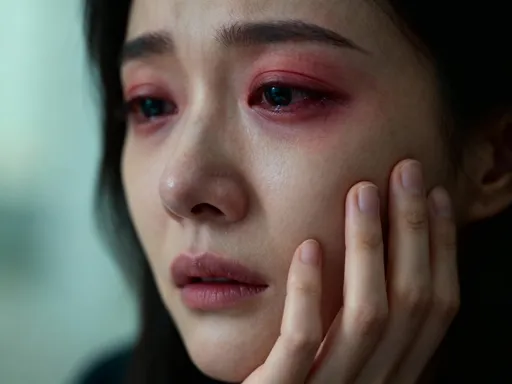
Rosacea, characterized by facial redness, visible blood vessels, and sometimes pimple-like bumps, is also highly sensitive to emotional triggers. Episodes of embarrassment, frustration, or tension can cause sudden flushing due to the dilation of blood vessels in the face. Over time, repeated flushing can lead to permanent redness and skin sensitivity. Other conditions such as hives, psoriasis, and alopecia areata (an autoimmune hair loss condition) have also been clinically linked to emotional stress. These responses are not “all in your head”—they are measurable, biological reactions involving real changes in immune activity, blood flow, and cellular function.
Breaking the Cycle: Recognizing Emotional Triggers
Because emotional skin reactions are so individualized, identifying personal triggers is essential for effective management. One powerful tool is emotional-skin journaling—a practice that involves tracking daily mood, stress levels, sleep quality, and skin condition over several weeks. By recording observations such as “felt overwhelmed after phone call with school” or “slept poorly, noticed increased redness in cheeks,” patterns begin to emerge. Over time, this self-monitoring helps distinguish between environmental causes (like new laundry detergent) and emotional contributors (such as anticipation of a difficult conversation).
Journaling should be approached with curiosity rather than judgment. The goal is not to assign blame or feel guilty about emotional responses, but to build awareness. For example, a woman may realize that her weekly breakout consistently follows Sunday evenings, coinciding with anxiety about the upcoming workweek. With this insight, she can begin to implement calming strategies on Sunday afternoons, such as a short walk or a quiet tea ritual, to reduce the emotional spike before it affects her skin. Awareness alone does not resolve the issue, but it creates the foundation for intentional change.
Sleep and emotional regulation are closely linked, making rest a critical factor in skin health. Poor sleep increases cortisol and decreases growth hormone production, both of which impair skin repair and barrier function. Tracking sleep duration and quality alongside skin condition can reveal connections that might otherwise go unnoticed. Similarly, noting dietary habits, hydration, and physical activity provides a fuller picture of lifestyle influences. The process of self-observation empowers individuals to move from reactive skincare—treating symptoms as they arise—to proactive wellness, addressing root causes before they manifest on the skin.
Science-Backed Strategies to Soothe Mind and Skin
Fortunately, there are proven, non-invasive strategies that support both emotional balance and skin health. Mindfulness meditation, for instance, has been shown in multiple studies to reduce cortisol levels and decrease inflammatory markers in the body. A randomized controlled trial published in Psychosomatic Medicine found that participants who practiced mindfulness for eight weeks experienced significant improvements in both perceived stress and skin barrier function. These benefits extend beyond the meditation cushion—regular practice enhances emotional resilience, making it easier to navigate daily stressors without triggering a skin response.
Controlled breathing techniques are another accessible and effective method. Slow, diaphragmatic breathing activates the parasympathetic nervous system, which counteracts the body’s stress response. Just five to ten minutes of deep breathing daily can lower heart rate, reduce cortisol, and calm inflammation. Techniques such as box breathing (inhale for four counts, hold for four, exhale for four, hold for four) can be done discreetly at home or even during a work break. When practiced consistently, these breathing exercises help regulate the nervous system, creating a more stable internal environment for the skin to thrive.
Regular physical activity also plays a vital role. Exercise increases endorphin production, improves circulation, and supports detoxification through sweat and lymphatic flow. Whether it’s brisk walking, yoga, or gardening, movement helps clear stress hormones and deliver oxygen and nutrients to the skin. Importantly, the type of activity matters less than consistency—finding enjoyable, sustainable forms of movement ensures long-term adherence. Additionally, adequate hydration and a balanced diet rich in antioxidants, omega-3 fatty acids, and vitamins A, C, and E provide essential support for both brain and skin function. These lifestyle factors work synergistically, creating a foundation of wellness that buffers against emotional and environmental challenges.
Skincare with a Calm Mind: Rituals That Heal Beyond the Surface
Skincare routines can be more than just a series of product applications—they can serve as mindful rituals that nurture both skin and spirit. When performed with intention and presence, these daily practices become moments of self-care that reduce stress and enhance emotional well-being. Instead of rushing through cleansing and moisturizing, taking a few extra minutes to apply products slowly, with gentle pressure and focused attention, can activate the body’s relaxation response. The tactile experience of massaging a nourishing cream into the skin sends calming signals to the brain, reinforcing a sense of safety and care.
Sensory elements in skincare—such as the aroma of lavender, the coolness of aloe vera gel, or the smooth texture of a facial oil—can influence emotional regulation. Aromatherapy, particularly with essential oils like lavender and chamomile, has been studied for its anxiolytic (anxiety-reducing) effects. While not a substitute for clinical treatment, incorporating soothing scents into a nightly routine may help ease the transition from day to rest. Similarly, the ritual of warming hands and gently pressing them over the face after applying serum can create a moment of warmth and comfort, signaling the nervous system to slow down.
Consistency in skincare also builds a sense of control and predictability, which is especially valuable during emotionally turbulent times. Knowing that you are providing your skin with gentle, supportive care—even when life feels chaotic—can be deeply reassuring. Choosing products with calming ingredients like niacinamide, ceramides, and oat extract further supports the skin barrier and reduces inflammation. Over time, this mindful approach fosters a healthier relationship with one’s body, where skincare becomes less about perfection and more about presence and nurturing.
When to Seek Help: Knowing the Limits of Self-Care
While lifestyle changes and self-awareness are powerful tools, they are not always sufficient on their own. Persistent or severe skin conditions—especially those that interfere with daily life, self-esteem, or sleep—warrant professional evaluation. Dermatologists can provide targeted treatments such as topical medications, light therapy, or prescription regimens tailored to specific diagnoses. Equally important is recognizing when emotional distress exceeds normal fluctuations and may indicate an underlying anxiety disorder, depression, or chronic stress that requires support from a mental health professional.
Seeking help is not a sign of failure—it is an act of strength and self-responsibility. Many women hesitate to discuss emotional aspects of skin issues, fearing they will be dismissed as “not real” medical concerns. However, integrative healthcare providers increasingly recognize the validity of psychodermatological conditions and offer coordinated care that addresses both mind and body. Cognitive-behavioral therapy (CBT), for example, has been shown to reduce symptoms in patients with chronic skin disorders by helping them reframe unhelpful thought patterns and develop healthier coping strategies.
Managing emotion-related skin concerns is not about achieving flawless skin or constant emotional calm—it is about balance, resilience, and self-compassion. Small, consistent steps—such as a daily breathing practice, a gratitude journal, or a gentle skincare ritual—accumulate over time to create meaningful change. By honoring the deep connection between emotional health and skin vitality, women can cultivate a more holistic approach to wellness, one that values inner harmony as much as outer radiance. The journey is not linear, but each mindful choice reinforces the truth: how you feel truly matters to how you glow.