What Fixed My Hair? A Real Talk on Healing From Damage
Hair damage isn’t just about split ends—it’s a sign of deeper imbalance. After years of heat, stress, and bad habits, my hair lost its glow. But instead of chasing quick fixes, I built a real recovery plan. This isn’t magic—it’s consistency, science, and small changes that add up. If your hair feels weak, dull, or broken, this journey might be what you need to start healing, too.
The Wake-Up Call: When Hair Stops Bouncing Back
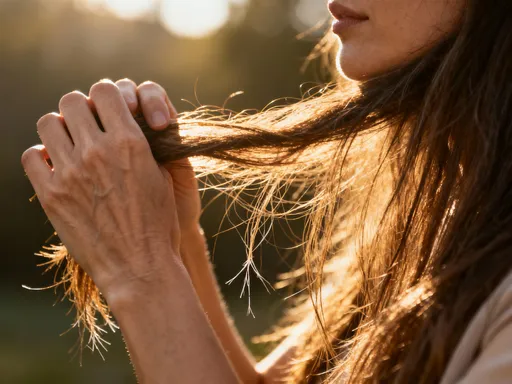
It started subtly—a few more strands in the brush, a lack of shine that no amount of styling could fix. At first, it was easy to dismiss. After all, everyone sheds a little. But over time, the changes became harder to ignore. My ponytail felt thinner, the ends frayed and brittle. Where once my hair bounced with movement, it now hung flat and lifeless. The final wake-up call came when I snapped a single strand between my fingers with almost no resistance. That moment marked a shift—from seeing hair as just appearance to recognizing it as a reflection of internal health.
Hair distress sends clear signals, though many overlook them until damage becomes severe. Excessive shedding, increased dryness, lack of elasticity, and split ends are not just cosmetic issues—they are symptoms of deeper imbalance. These early warnings often go unheeded because they develop slowly. People assume it’s normal aging or seasonal change, when in reality, they’re signs of cumulative stress on the hair follicle and shaft. The truth is, hair is one of the body’s most sensitive barometers of nutritional status, hormonal balance, and overall wellness.
For years, I responded to these signs with surface-level solutions: a new conditioner, a shine spray, a salon treatment promising instant repair. But the relief was temporary. The underlying causes remained unaddressed. It wasn’t until I began researching hair biology and speaking with professionals that I realized I needed to shift my mindset. Hair isn’t just something to style—it’s living tissue that requires nourishment, protection, and time to heal. Treating it as a health concern, not just a beauty issue, was the first real step toward recovery.
Why Hair Breaks: Understanding the Science Behind Damage
To heal hair, one must first understand how it works. Each strand is made up of three layers: the outer cuticle, the middle cortex, and the inner medulla. The cuticle acts like shingles on a roof, protecting the inner structure. When intact, it reflects light, giving hair its natural shine. Beneath it, the cortex provides strength, color, and elasticity. Damage occurs when the cuticle lifts or cracks, exposing the cortex to environmental stressors and moisture loss. This leads to brittleness, frizz, and breakage.
Damage isn’t only caused by external factors. Internal imbalances play a major role. Hormonal fluctuations, especially during perimenopause or after childbirth, can disrupt the hair growth cycle. Nutritional deficiencies—particularly in protein, iron, zinc, and certain B vitamins—directly affect keratin production, the protein that makes up hair. Chronic stress elevates cortisol levels, which can push hair follicles into a resting phase, leading to increased shedding. Poor sleep quality further compounds these issues, as the body repairs and regenerates during deep rest.
Externally, daily habits silently weaken hair over time. Frequent use of flat irons, curling wands, and blow dryers dehydrates the hair shaft, stripping it of natural oils. UV exposure from the sun can degrade proteins in the hair, much like it damages skin. Harsh shampoos containing sulfates strip away protective lipids, leaving the cuticle vulnerable. Even seemingly harmless actions—like tying hair too tightly or brushing when wet—create mechanical stress that leads to breakage. The cumulative effect of these choices is often underestimated, but the result is visible: weakened, lifeless hair.
The key insight is that hair damage is rarely due to a single cause. It’s the intersection of internal health and external habits. Recognizing this complexity helped me move beyond blaming one product or routine and instead focus on a holistic approach. Healing wouldn’t come from a miracle serum, but from addressing the full spectrum of factors that contribute to hair strength and resilience.
Mindset Shift: From Quick Fixes to Long-Term Recovery
One of the biggest obstacles to healing damaged hair is the expectation of immediate results. The beauty industry thrives on promises: “repair split ends in one wash,” “restore shine in 48 hours,” “thicker hair in a week.” These claims create unrealistic expectations and set people up for disappointment. I learned this the hard way, cycling through expensive treatments that delivered temporary improvements but no lasting change. The truth is, real hair recovery is not fast, dramatic, or flashy. It’s gradual, consistent, and often invisible in the early stages.
Shifting my mindset required accepting that hair grows slowly—about half an inch per month. Even with optimal care, visible improvement takes months. This reality demands patience and commitment. I began to think of hair rehabilitation like physical fitness: you wouldn’t expect to run a marathon after one gym session, just as you can’t expect damaged hair to fully recover overnight. Progress is built through repetition, not intensity. Small, sustainable habits—done consistently—create lasting change.
Another crucial shift was moving away from trend-chasing. Social media is full of viral hair hacks, celebrity routines, and “miracle” ingredients. While some tips are helpful, many are not suitable for every hair type or damage level. I stopped adopting routines just because they were popular and instead focused on what my hair actually needed. This meant paying attention to how my hair responded—did it feel stronger? Was breakage decreasing? Was new growth visible? These became my real metrics of success, not viral approval.
Building a sustainable routine also meant letting go of perfection. There were days I forgot to apply a treatment, used a regular shampoo, or slept with wet hair. Instead of seeing these as failures, I learned to view them as part of the process. Consistency doesn’t mean flawless execution—it means returning to the routine, day after day, even after setbacks. This mindset shift was perhaps the most powerful tool in my recovery. It turned hair care from a source of stress into a practice of self-respect and long-term wellness.
The Core Routine: What I Actually Do Every Week
My weekly hair routine is simple, science-backed, and designed for long-term repair. It focuses on protection, hydration, and gentle nourishment. The foundation is gentle cleansing. I switched to a sulfate-free shampoo and reduced washing to twice a week. Sulfates are strong detergents that strip natural oils, so eliminating them helped restore my scalp’s moisture balance. I also started using a co-wash (conditioner-only wash) on non-shampoo days to refresh roots without drying them out.
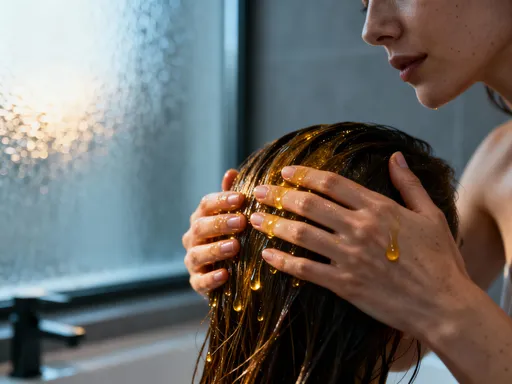
Hydration is central to my routine. After washing, I apply a water-based leave-in conditioner to damp hair. Water is the first ingredient—this ensures true hydration rather than just surface smoothing. I follow with a lightweight oil or serum to seal in moisture, focusing on mid-lengths and ends where damage is most common. Once a week, I use a deep conditioning mask rich in humectants like glycerin and natural oils such as shea butter or argan oil. These ingredients penetrate the hair shaft, improving elasticity and reducing breakage over time.
Protein is another key element, but balance is critical. Hair is made of keratin, a protein, so replenishing it helps strengthen weak strands. However, too much protein can make hair stiff and brittle—a condition known as protein overload. I use a protein-rich mask once every 10–14 days, adjusting based on how my hair feels. If it’s soft and strong, I wait. If it feels mushy or overly stretchy, I know it’s time for protein. This responsive approach prevents over-treatment and keeps my hair resilient.
At night, I take steps to minimize friction and stress. I sleep on a silk pillowcase, which reduces snagging and prevents cuticle damage. Before bed, I loosely braid my hair or put it in a soft scrunchie to keep it contained. I also incorporate scalp massage a few times a week using my fingertips and a few drops of jojoba oil. This improves blood circulation, which supports follicle health and encourages growth. These small nightly habits, once seen as optional, became essential parts of my recovery.
Lifestyle Tweaks That Made a Real Difference
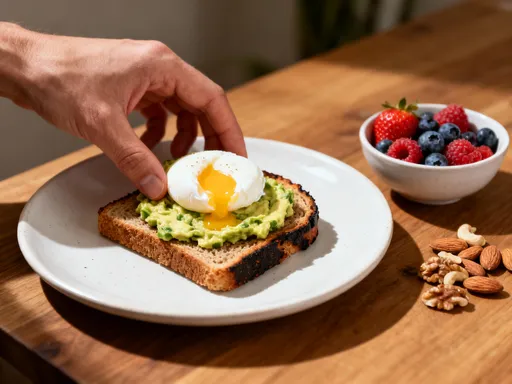
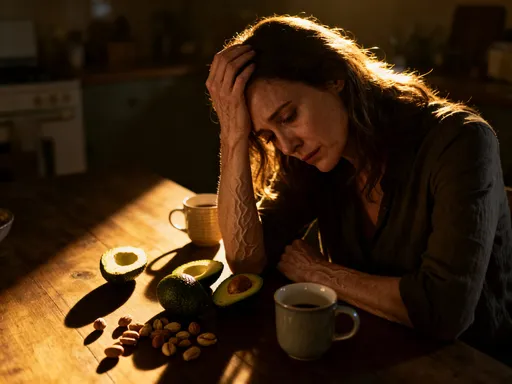
While topical care is important, I discovered that true healing began with changes beyond the bathroom. Diet played a major role. I increased my intake of high-quality protein—eggs, Greek yogurt, lentils, and lean meats—because hair is primarily made of keratin. I also added more healthy fats like avocado, nuts, and olive oil, which support scalp health and add natural shine. Hydration became a daily priority; I aimed for at least eight glasses of water, knowing that dehydrated hair is more prone to breakage.
Sleep quality had a surprising impact. During deep sleep, the body releases growth hormone and repairs tissues, including hair follicles. I committed to a consistent bedtime and created a calming routine—dim lights, no screens, herbal tea—to improve sleep quality. Within weeks, I noticed less shedding and more consistent growth. This reinforced the connection between rest and regeneration, reminding me that beauty routines start from within.
Stress management became non-negotiable. Chronic stress disrupts hormone balance and can trigger telogen effluvium, a condition where hair enters a resting phase and sheds prematurely. I started incorporating daily movement—walking, stretching, or gentle yoga—not for weight loss, but for mental clarity and cortisol regulation. I also practiced mindfulness through breathing exercises and journaling, which helped me respond to stress more calmly. These practices didn’t eliminate life’s pressures, but they reduced their physical toll on my body, including my hair.
Exercise also improved scalp health. Physical activity increases blood flow, delivering oxygen and nutrients to hair follicles. I didn’t need intense workouts—just 20–30 minutes most days made a difference. Even simple activities like walking the dog or gardening contributed. Over time, I saw stronger new growth and a healthier scalp environment. These lifestyle changes weren’t drastic, but their cumulative effect was profound. They transformed hair care from a cosmetic ritual into a holistic wellness practice.
What Tools and Habits to Ditch for Better Hair Health
Healing required letting go of habits I once thought were harmless. The first to go was high-heat styling. I stopped using flat irons and blow dryers daily, reserving them for special occasions only. When I do use heat, I apply a heat protectant and keep the temperature below 350°F. This simple change reduced dryness and prevented further cuticle damage. Air-drying became my default, even if it took longer.
I also stopped wearing tight hairstyles. Daily ponytails, buns, and braids pulled on my hairline, causing traction alopecia—a form of hair loss from constant tension. I switched to loose styles and used soft hair ties without metal. I avoided pulling hair back when it was wet, as it’s more elastic and prone to breakage. These adjustments protected my edges and reduced stress on fragile strands.
Over-brushing was another habit I had to unlearn. I used to brush my hair 100 strokes a day, believing it stimulated growth. But excessive brushing, especially when hair is dry, causes friction and cuticle damage. Now, I only detangle when necessary, starting from the ends and working upward with a wide-tooth comb. I also replaced my terry cloth towel with a microfiber one, which absorbs water without rough rubbing. These small swaps significantly reduced breakage and frizz.
Choosing the right tools made a lasting difference. I invested in a wooden comb with smooth teeth and a boar bristle brush for occasional use. These distribute natural oils without causing static or snagging. I also avoided plastic brushes, which create friction and static. Every tool I now use is selected for gentleness and function, not convenience or trend. Letting go of old habits wasn’t easy, but each change brought my hair closer to health.
Tracking Progress and Staying Consistent
One of the most motivating parts of my journey was learning how to track progress. In the beginning, changes were subtle. I started taking monthly photos under the same lighting to compare growth and texture. I also did strand tests—gently stretching a wet strand to see how much it elongated before breaking. Healthy hair should stretch up to 30% without snapping. Over time, I saw improvements: less breakage, more elasticity, and stronger new growth.
I kept a simple journal to note what I did each week—products used, diet changes, stress levels, sleep quality. This helped me identify patterns. For example, I noticed more shedding during high-stress weeks, or dullness when I skipped hydration. Journaling turned my routine into a personal experiment, giving me control and insight. It also helped me stay consistent, even when results felt slow.
Plateaus and bad hair days were inevitable. There were weeks when nothing seemed to change, or my hair felt worse. Instead of giving up, I reminded myself that healing isn’t linear. I celebrated small wins: a smoother texture, less frizz, a compliment from a friend. These moments reinforced my commitment. I also found accountability helpful—sharing my journey with a trusted friend who checked in regularly.
There were times when I needed professional help. When I noticed persistent scalp irritation and patchy thinning, I consulted a dermatologist. After evaluation, I was referred to a trichologist, a specialist in hair and scalp disorders. They ruled out underlying conditions like thyroid imbalance and provided personalized recommendations. This experience taught me that self-care doesn’t mean going it alone. Seeking expert guidance is a sign of strength, not failure. It ensured my efforts were effective and safe.
Conclusion
Hair rehabilitation isn’t about perfection—it’s about showing up consistently. What started as a personal crisis turned into a deeper understanding of body signals and self-care. By treating hair health as part of overall wellness, real change becomes possible. It’s not fast, but it’s worth it. Your hair can recover—step by step, day by day. The journey requires patience, knowledge, and compassion. But with the right mindset and habits, damaged hair can regain its strength, shine, and resilience. This isn’t about vanity; it’s about honoring your body’s ability to heal when given the right support.