How I Tamed My Blood Sugar with Real Food Combos — No Magic, Just Science
Managing blood sugar doesn’t have to mean strict diets or feeling deprived. For years, I struggled with energy crashes and cravings—until I learned how simple food combinations could make a real difference. This isn’t about quick fixes, but sustainable choices backed by science. What you eat *together* matters as much as what you eat alone. Let me walk you through the practical, everyday strategies that helped me gain control—naturally and consistently.
The Hidden Problem: Why Blood Sugar Spikes Happen (Even on Healthy Diets)
Blood sugar fluctuations are more common than many realize, especially among women managing busy households and irregular schedules. When glucose levels rise too quickly after eating, the body responds by releasing insulin to bring it back down. While this process is natural, frequent spikes and crashes can lead to fatigue, irritability, and long-term metabolic challenges. The surprising truth is that even meals perceived as healthy—like a bowl of oatmeal topped with banana and honey—can trigger a sharp rise in blood sugar.
This occurs because carbohydrates are broken down into glucose, which enters the bloodstream rapidly when consumed without balancing nutrients. Many people assume that cutting out sugar entirely is the only solution, but that approach is neither practical nor necessary for most. Instead, understanding how different foods interact can prevent these spikes without eliminating entire food groups. For instance, eating a high-carbohydrate breakfast without protein or fat often leads to an energy crash by mid-morning, leaving one reaching for another sugary snack—an exhausting cycle that undermines well-being.
The key lies not in restriction, but in rethinking food combinations. Research has shown that pairing carbohydrates with fiber, protein, or healthy fats significantly slows glucose absorption. A study published in the journal Nutrients found that adding just 10 grams of protein to a carbohydrate-rich meal reduced post-meal glucose spikes by up to 30%. This means that the same oatmeal can be transformed into a stabilizing meal simply by including nuts or Greek yogurt. The goal is not perfection but consistency—making small, repeatable choices that support metabolic balance over time.
Another misconception is that only people with diabetes need to worry about blood sugar. In reality, maintaining stable glucose levels benefits everyone, particularly those experiencing hormonal shifts during perimenopause or menopause. Fluctuating hormones can increase insulin resistance, making blood sugar management even more crucial. By addressing this early through dietary strategies, women can reduce their risk of developing type 2 diabetes, improve energy levels, and support long-term health. The first step is recognizing that how we combine foods plays a central role in this process.
The Power of Pairing: How Macronutrients Work Together
The science behind food pairing centers on how macronutrients—carbohydrates, proteins, and fats—affect digestion and glucose metabolism. Carbohydrates alone are digested quickly, especially if they’re refined or low in fiber. However, when combined with protein or fat, the digestive process slows, resulting in a gradual release of glucose into the bloodstream. This prevents sharp spikes and supports sustained energy. Think of unpaired carbohydrates like kindling in a fire: they burn fast and fade quickly. A balanced meal, on the other hand, acts like a log burning steadily, providing long-lasting fuel.
Fiber, though technically a carbohydrate, behaves differently because the body cannot fully digest it. Soluble fiber, in particular, forms a gel-like substance in the gut that delays stomach emptying and slows glucose absorption. Foods rich in soluble fiber—such as oats, beans, apples, and Brussels sprouts—are powerful allies in blood sugar control. Protein contributes by stimulating the release of hormones that promote satiety and slow gastric emptying. Fats, especially monounsaturated and polyunsaturated fats, further delay digestion and help maintain fullness longer.
Real-world examples illustrate this principle clearly. Eating an apple by itself may cause a modest rise in blood sugar, but pairing it with a tablespoon of almond butter makes a noticeable difference. The healthy fats and protein in the nut butter buffer the natural sugars in the fruit, leading to a smoother glucose curve. Similarly, white rice alone has a high glycemic index, but when served with lentils and a drizzle of olive oil, its impact on blood sugar is significantly reduced. A clinical trial conducted at the University of Toronto demonstrated that meals combining legumes with grains lowered postprandial glucose levels by nearly 40% compared to grains eaten alone.
These findings highlight that it’s not just what we eat, but how we combine it. Strategic pairing doesn’t require complicated recipes or special ingredients. It’s about building awareness and making intentional choices at each meal. Over time, these habits become second nature, supporting both immediate comfort and long-term metabolic health. The beauty of this approach is its simplicity—no elimination, no deprivation, just smarter combinations that work with the body’s natural processes.
My Go-To Formula: The Plate Method That Actually Works
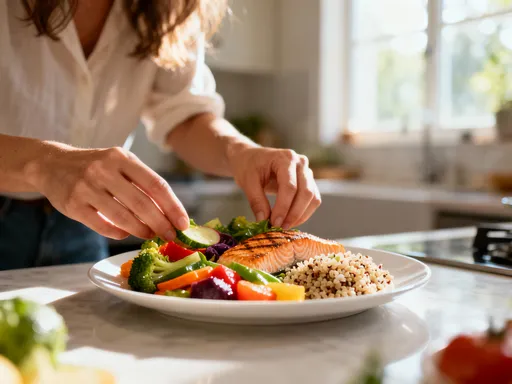
One of the most effective tools I’ve adopted is the plate method—a visual, easy-to-follow guide for constructing balanced meals. The formula is simple: fill half your plate with non-starchy vegetables, one-quarter with lean protein, and the remaining quarter with complex carbohydrates, plus a small portion of healthy fat. This balance ensures that every bite supports stable blood sugar while delivering essential nutrients.
Non-starchy vegetables like spinach, broccoli, zucchini, bell peppers, and cauliflower are low in calories and carbohydrates but high in fiber, vitamins, and antioxidants. They add volume to meals without spiking glucose, helping you feel full and satisfied. The protein portion—such as grilled chicken, turkey, fish, tofu, or eggs—supports muscle maintenance and prolongs satiety. Complex carbohydrates, including brown rice, quinoa, sweet potatoes, or whole grain bread, provide energy without the rapid spike associated with refined grains. Finally, a source of healthy fat—like avocado, olive oil, or a handful of nuts—completes the meal by slowing digestion and enhancing flavor.
When I first started using this method, I began tracking my meals and energy levels throughout the day. Within two weeks, I noticed fewer afternoon crashes and less intense cravings. I wasn’t hungry between meals, which made it easier to avoid mindless snacking. My family also benefited, as the meals were nutritious, satisfying, and adaptable to different preferences. For example, taco night became a balanced affair with lettuce wraps, black beans, grilled chicken, salsa, and a sprinkle of cheese—delicious and blood sugar-friendly.
The flexibility of the plate method makes it sustainable across cultures and cuisines. Whether preparing a Mediterranean-style meal with grilled fish and roasted vegetables or an Asian-inspired stir-fry with tofu and bok choy, the structure remains the same. It’s not about rigid rules but about creating a framework that supports consistency. Over time, this approach fosters a deeper understanding of how food affects the body, empowering individuals to make informed choices even when dining out or traveling.
Timing Matters: When You Eat Is Part of the Combo
While food combinations are crucial, the order in which you eat them also influences blood sugar response. Emerging research suggests that meal sequence—specifically eating fiber and protein before carbohydrates—can significantly reduce post-meal glucose spikes. This concept, sometimes called “carb stacking,” leverages the digestive process to create a natural buffer against rapid glucose absorption.
Here’s how it works: when fiber-rich vegetables or protein are consumed first, they begin to fill the stomach and trigger the release of satiety hormones. This slows gastric emptying, meaning that when carbohydrates are eaten later, they enter the bloodstream more gradually. A study published in Diabetes Care found that participants who ate vegetables and protein before rice experienced a 74% lower rise in blood glucose compared to those who ate the rice first. These results were consistent across individuals, including those with type 2 diabetes and those with normal glucose tolerance.
Practically, this means starting your meal with a small salad, a bowl of broth-based soup, or a few bites of grilled fish or chicken. Even something as simple as eating a few green beans or a spoonful of lentils before touching the bread or pasta can make a measurable difference. For families, this strategy can be integrated seamlessly—serve the vegetable dish first as a starter, or encourage everyone to take a few bites of salad before diving into the main course.
Snacking habits also play a role in overall glucose control. Frequent snacking, especially on carbohydrate-rich foods, keeps insulin levels elevated throughout the day, which over time can reduce insulin sensitivity. Instead of grazing, aim for three balanced meals with optional snacks if needed, choosing options that follow the same pairing principles—like cottage cheese with berries or raw veggies with hummus. By spacing meals appropriately and paying attention to eating order, you give your body time to process glucose effectively, supporting long-term metabolic health.
Fiber First: Why It’s Your Blood Sugar’s Best Friend
Among all dietary components, fiber stands out as one of the most powerful tools for blood sugar management. Yet, most adults consume far less than the recommended 25 to 30 grams per day. Increasing fiber intake, particularly soluble fiber, has been consistently linked to improved glucose control, reduced insulin resistance, and better digestive health.
Soluble fiber dissolves in water to form a gel-like matrix in the digestive tract. This gel slows the breakdown and absorption of carbohydrates, preventing sudden surges in blood sugar. Foods rich in soluble fiber include oats, chia seeds, flaxseeds, lentils, beans, apples, and psyllium husk. Insoluble fiber, found in whole grains, nuts, and many vegetables, adds bulk and supports regular bowel movements but does not have the same glucose-buffering effect.
Incorporating more fiber into daily meals doesn’t require drastic changes. Simple habits can make a big difference. For breakfast, stir a teaspoon of chia seeds into yogurt or oatmeal. Add lentils to soups and stews—they blend in easily and boost nutrition. Snack on raw vegetables with bean dip or sprinkle ground flaxseed over salads. These small additions accumulate over time, helping you reach your fiber goals without feeling overwhelmed.
The benefits extend beyond glucose control. Many women report improved digestion, reduced bloating, and more predictable energy levels once they increase fiber intake. Because fiber promotes fullness, it also supports healthy weight management—an added advantage for those balancing family demands with personal well-being. As with any dietary change, it’s best to increase fiber gradually and drink plenty of water to prevent discomfort. Over weeks and months, the cumulative effect on metabolic health becomes evident, often reflected in more stable daily energy and improved lab results like HbA1c.
Smart Swaps: Upgrading Meals Without Sacrificing Flavor
Transforming familiar meals into blood sugar-friendly versions doesn’t mean giving up comfort foods. With a few strategic ingredient swaps, favorite dishes can be rebalanced to support metabolic health while still satisfying taste buds. The goal is not elimination but enhancement—improving nutritional value without losing enjoyment.
Consider a classic pasta dish. Traditional white pasta has a high glycemic index, especially when served with a simple tomato sauce. But by switching to lentil-based or chickpea pasta, you instantly increase protein and fiber content. Toss it with olive oil, garlic, sautéed vegetables, and grilled chicken or shrimp, and you’ve created a meal that supports steady glucose levels. The flavors remain rich and satisfying, but the metabolic impact is far more favorable.
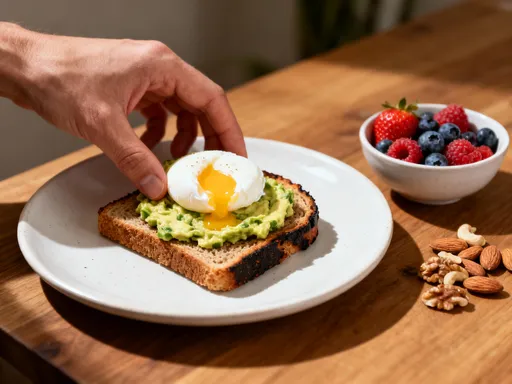
Pantry staples play a crucial role in making these swaps easy and accessible. Keeping canned beans, frozen vegetables, nuts, seeds, and plain Greek yogurt on hand allows for quick, balanced meals even on busy days. Instead of reaching for a sugary yogurt, choose plain and add fresh fruit and a sprinkle of nuts. Replace butter with avocado or nut butter on toast. Use quinoa or barley instead of white rice. These changes may seem minor individually, but together they create a pattern of eating that supports long-term health.
Tracking HbA1c trends over time can reveal the real impact of these adjustments. While individual glucose readings vary, HbA1c reflects average blood sugar levels over the past two to three months. Many women who adopt consistent food pairing and smart swapping strategies see gradual improvements in this marker, often without drastic dietary restrictions. The key is regularity—making these choices most of the time, not just occasionally. Progress, not perfection, leads to lasting change.
Beyond the Plate: Lifestyle Synergy for Lasting Control
Diet is foundational, but it doesn’t work in isolation. Sleep, stress, and physical activity all influence how the body processes glucose. Chronic stress, for example, triggers the release of cortisol, a hormone that increases blood sugar levels. Poor sleep disrupts insulin sensitivity, making it harder for cells to respond to insulin effectively. Even a single night of disrupted sleep can impair glucose metabolism the next day.
Physical activity, particularly movement after meals, has a direct and immediate effect on blood sugar. A short 10- to 15-minute walk after eating can lower post-meal glucose levels by up to 30%, according to research from the University of Otago. This simple habit is one of the most effective tools available—no gym membership or intense workout required. Whether it’s a stroll around the block after dinner or pacing while on the phone, movement helps muscles absorb glucose from the bloodstream, reducing the need for insulin.
Building a supportive routine means integrating these elements into daily life in manageable ways. Prioritize sleep by establishing a consistent bedtime and limiting screen time before bed. Practice stress-reduction techniques like deep breathing, journaling, or gentle stretching. Schedule short walks after meals, especially after larger or carbohydrate-rich ones. These habits work together, creating a synergistic effect that enhances the benefits of smart eating.
This approach isn’t a diet—it’s a sustainable way of living. It respects the complexity of real life, where meals are shared with family, schedules are unpredictable, and self-care often comes last. By focusing on small, science-backed choices, women can regain control over their energy, mood, and long-term health. The journey isn’t about flawlessness but about progress, consistency, and self-compassion.
Stable blood sugar isn’t about restriction—it’s about strategy. By focusing on smart dietary combinations, you empower your body to function better naturally. These changes aren’t extreme, but their impact is real and lasting. Always consult your healthcare provider before making health changes, but know this: small, science-backed choices can lead to transformative results over time.