Why I Finally Got Serious About Daily Wellness—And What Changed Everything
For years, I treated my health like a backup plan—something to fix when it broke. But constant fatigue, low energy, and brain fog forced me to rethink everything. What I discovered wasn’t a quick fix, but a shift in mindset. Small, consistent daily habits—backed by science—started delivering real results. This is the honest story of how I transformed my well-being from the ground up, and why you might want to rethink your own routine too.
The Wake-Up Call: When "Fine" Wasn’t Enough
On the surface, life looked balanced. Meals were eaten, chores completed, family cared for. Yet each morning began with a deep sense of exhaustion, no matter how early I went to bed. By mid-afternoon, concentration faded, and simple decisions felt overwhelming. I dismissed it as part of aging or the natural cost of a busy life. But after a routine checkup revealed slightly elevated blood pressure and borderline cholesterol levels—despite no diagnosed condition—I realized “fine” wasn’t truly fine at all.
That appointment was the first time a doctor gently suggested that wellness isn’t just the absence of disease. It’s the presence of energy, mental clarity, emotional resilience, and physical strength. I had assumed that as long as I wasn’t sick, I was healthy. This misconception is common, especially among women in their 30s to 50s who often prioritize family and responsibilities over personal well-being. The truth is, chronic low-grade fatigue, frequent headaches, digestive discomfort, and mood swings are not normal parts of life—they are signals.
Research from the Centers for Disease Control and Prevention indicates that nearly half of American adults have at least one chronic condition, many of which develop silently over years due to lifestyle factors. The danger lies in ignoring subtle symptoms until they escalate. My wake-up call wasn’t a crisis, but it was urgent. I began to understand that preventive health isn’t passive. It requires daily attention, not just annual checkups. This realization marked the beginning of a more intentional approach—one focused not on fixing problems, but on building resilience before problems arise.
Rethinking Wellness: Beyond Diets and Workouts
When I first decided to “get healthy,” my instinct was to jump into a strict diet or intense exercise plan. I downloaded apps promising rapid weight loss, bought workout gear, and even tried a 30-day cleanse. Each effort started with enthusiasm but faded within weeks. The cycle repeated: temporary effort, short-term results, eventual burnout. I wasn’t alone. Studies show that over 80% of New Year’s resolutions fail by February, often because they rely on willpower rather than sustainable systems.
True wellness, I learned, is not about intensity or deprivation. It’s about consistency, balance, and integration into daily life. The World Health Organization defines health as “a state of complete physical, mental, and social well-being,” not merely the absence of illness. This holistic view shifted my perspective. Instead of chasing quick results, I began asking: What habits can I maintain for the next five years? What supports my energy, mood, and long-term vitality?
Behavioral science offers insight into why lasting change is difficult. According to research on habit formation, it takes an average of 66 days for a new behavior to become automatic, though this varies widely depending on the person and context. More importantly, success depends on context and cues, not motivation. Trying to run every morning after hitting snooze three times was doomed because the environment and routine didn’t support the goal. Sustainable change happens when new habits are woven into existing routines—what experts call “habit stacking.”
Instead of overhauling my life overnight, I focused on small, manageable shifts. I stopped measuring progress by the scale and started noticing how I felt: Was I more alert? Less irritable? Did I sleep through the night? These subtle markers became more meaningful than any number. Wellness, I realized, is not a destination. It’s a daily practice—a series of choices that align with long-term well-being rather than short-term appearance.
The Foundation: Sleep, Hydration, and Mindset
Of all the changes I made, improving sleep had the most immediate and profound impact. For years, I viewed sleep as optional downtime—something to sacrifice for productivity. I’d stay up late folding laundry, answering emails, or watching one more episode. But poor sleep doesn’t just cause tiredness; it disrupts hormone regulation, weakens immunity, and impairs cognitive function. The National Sleep Foundation recommends 7-9 hours per night for adults, yet surveys show that nearly 40% of women over 30 regularly get less.
I started by setting a consistent bedtime, even on weekends. I created a wind-down routine: turning off screens an hour before bed, drinking herbal tea, and reading a physical book. I also invested in blackout curtains and kept the bedroom cool. Within two weeks, I noticed deeper sleep and fewer nighttime awakenings. Mornings became easier. My focus improved, and my mood stabilized. Science confirms this: even one night of poor sleep can reduce attention span by up to 30%, while consistent rest supports memory, emotional regulation, and metabolic health.
Next, I addressed hydration. I used to wait until I felt thirsty before drinking water, often consuming most of my fluids in the afternoon. But thirst is a late sign of dehydration. Even mild dehydration—just 1-2% loss of body water—can impair concentration, increase fatigue, and cause headaches. I began carrying a reusable water bottle and set reminders to drink throughout the day. I also reduced sugary drinks and limited caffeine after noon. The effects were subtle but steady: my digestion improved, my skin felt clearer, and my energy levels were more consistent.
Equally important was shifting my mindset. I had a habit of criticizing myself for not doing enough—eating “bad” foods, skipping workouts, or feeling tired. This self-judgment created stress, which only made it harder to make healthy choices. I began practicing self-awareness instead of self-criticism. When I reached for snacks late at night, I asked, “Am I hungry, or am I stressed?” When I skipped a walk, I considered, “Was my schedule too full, or was I avoiding discomfort?” This compassionate approach reduced guilt and made it easier to adjust without giving up entirely.
Movement That Fits: Not More, But Smarter
I used to believe that exercise had to be intense to “count.” I’d push through hour-long workouts, sore and breathless, only to skip them entirely the next week. This all-or-nothing mindset set me up for failure. The American Heart Association recommends 150 minutes of moderate aerobic activity per week, but this doesn’t have to happen in the gym. In fact, research shows that daily movement—like walking, gardening, or climbing stairs—can be just as beneficial as structured exercise, especially when sustained over time.
I shifted my focus from performance to consistency. Instead of aiming for five 60-minute workouts, I committed to 20-30 minutes of movement most days. I started walking after dinner, taking phone calls on the porch, and doing gentle stretching in the morning. I also became more aware of posture—sitting less, standing taller, and taking breaks to move during long stretches of sitting. These small actions added up. Over time, I noticed improved circulation, reduced stiffness, and a greater sense of physical ease.
Movement also transformed my mental state. Physical activity increases endorphins and reduces cortisol, the stress hormone. On days when I felt anxious or overwhelmed, a 15-minute walk often cleared my mind more effectively than any meditation app. I began to see movement not as a chore, but as a form of self-care—a way to reset and recharge. This mental shift was crucial. When exercise feels punishing, it’s hard to stick with. But when it feels nourishing, it becomes a natural part of daily life.
Experts emphasize that the best exercise is the one you enjoy and can maintain. For some, that’s yoga or swimming; for others, dancing or strength training. The key is finding what fits your lifestyle and brings joy. I discovered that short, frequent movement throughout the day—what some call “exercise snacks”—was more sustainable than long, infrequent sessions. Ten minutes here, fifteen there, added to a meaningful weekly total without overwhelming my schedule.
Fueling the Body: Simple, Real Food Choices
Dieting had always been a source of frustration. I’d try low-carb, then low-fat, then intermittent fasting—each with temporary results. The problem wasn’t the plans themselves, but their restrictiveness. Depriving myself led to cravings, then overeating, then guilt. I realized I needed a different approach—one focused not on restriction, but on nourishment.
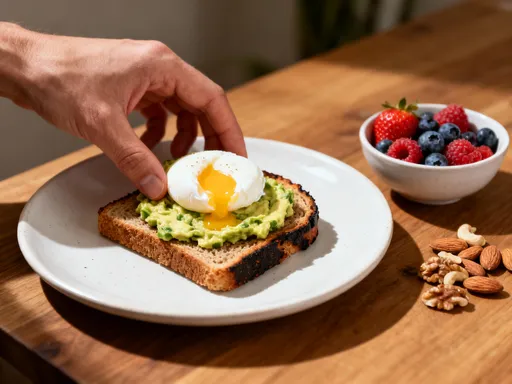
I began by reducing processed foods: packaged snacks, sugary cereals, frozen meals high in sodium. These foods are often low in fiber and nutrients but high in refined sugars and unhealthy fats, which contribute to energy crashes and inflammation. Instead, I prioritized whole, recognizable ingredients: vegetables, fruits, lean proteins, whole grains, and healthy fats like avocado and olive oil. I didn’t eliminate any food group—I simply made more balanced choices most of the time.
Two changes made the biggest difference: increasing protein and fiber. Protein helps stabilize blood sugar and supports muscle health, which naturally declines with age. Fiber aids digestion and promotes satiety, reducing the urge to snack between meals. I started adding eggs or Greek yogurt to breakfast, including beans or lentils in lunches, and eating more vegetables with dinner. These adjustments weren’t drastic, but they led to fewer energy dips and less late-night eating.
I also stopped labeling foods as “good” or “bad.” This black-and-white thinking created guilt and shame, which undermined long-term success. Instead, I adopted a flexible mindset: most meals should be nutrient-dense, but occasional treats are part of a balanced life. This reduced the emotional weight around food and made it easier to make consistent, positive choices. The result wasn’t rapid weight loss, but a steady improvement in how I felt—more energy, better digestion, and a calmer relationship with food.
Stress & Recovery: The Invisible Health Levers
One of the most overlooked aspects of wellness is stress management. For years, I normalized constant busyness—juggling work, family, and household demands without pause. But chronic stress takes a physical toll. It elevates cortisol, which can lead to weight gain, poor sleep, weakened immunity, and digestive issues. The American Psychological Association reports that prolonged stress is linked to a higher risk of heart disease, diabetes, and depression.
I began to recognize the signs: tight shoulders, shallow breathing, irritability, and difficulty winding down. I realized that without recovery, even healthy habits could be undermined. So I introduced small but powerful recovery practices. One of the most effective was diaphragmatic breathing—inhaling deeply through the nose, expanding the belly, and exhaling slowly. Just five minutes a day helped activate the parasympathetic nervous system, which calms the body and reduces stress hormones.
I also implemented a digital detox each evening. I turned off notifications, put my phone in another room, and avoided screens for at least 30 minutes before bed. This simple act reduced mental clutter and improved sleep quality. I scheduled downtime just as I would a meeting—reading, sitting outside, or simply resting without guilt. These moments of stillness allowed my nervous system to reset.
Emotional regulation became part of my health routine. When I felt overwhelmed, I paused instead of pushing through. I learned to identify emotions without judgment and respond with kindness. This inner work had physical benefits: lower blood pressure, better digestion, and improved immune function. Wellness, I realized, isn’t just about what we eat or how we move—it’s also about how we rest and how we treat ourselves.
Building a Routine That Sticks: Systems Over Willpower
Willpower is unreliable. It fades with fatigue, stress, and time. Lasting change requires systems—structures that make healthy choices easier and automatic. I started using habit stacking, a technique where a new behavior is linked to an existing one. For example, after I brushed my teeth in the morning, I drank a glass of water. After I poured my coffee, I stepped outside for five minutes of fresh air. These tiny rituals required no motivation—they just became part of the routine.
I also simplified tracking. Instead of logging every meal or step, I focused on a few key indicators: how I felt each day, whether I moved for 20 minutes, and if I slept well. I used a simple journal to note patterns. This wasn’t about perfection, but awareness. When I noticed that poor sleep led to afternoon cravings, I adjusted my evening routine. When I saw that walking after dinner improved digestion, I made it a habit.
Small wins built momentum. Each time I followed through on a small commitment, I reinforced self-trust. This growing confidence made it easier to maintain other habits. I stopped waiting for dramatic transformations and began appreciating gradual progress. Over months, these tiny choices compounded into real change: more energy, better mood, stronger resilience.
The most important shift was viewing wellness as a personal practice, not a performance. There is no single “right” way to be healthy. What works for one person may not work for another. The goal isn’t to follow a rigid plan, but to create a sustainable, flexible routine that supports your unique life. It’s about showing up for yourself, day after day, with kindness and consistency.
Conclusion
True health improvement isn’t about perfection—it’s about showing up consistently with kindness and clarity. By focusing on sustainable daily practices, not dramatic overhauls, real transformation becomes possible. This isn’t a one-size-fits-all solution, but a proven path to feeling better, thinking clearer, and living more fully. Wellness isn’t a destination. It’s a daily choice—and one worth making, every single day.