Cut my daily stress by half: The VR habit that quietly organized my life
Remember those mornings when you’re already overwhelmed before the coffee kicks in? I did too—until I stumbled on a simple VR routine that changed everything. It wasn’t about gaming or escape. It was about creating space: for clarity, for calm, for control. In just ten minutes a day, I rebuilt my rhythm. This isn’t tech for tech’s sake—it’s tech that listens to life. And it might be exactly what you didn’t know you needed. If you’ve ever felt like your mind is a browser with 50 tabs open, this could be the quiet reset you’ve been looking for.
The Chaos Before the Calm
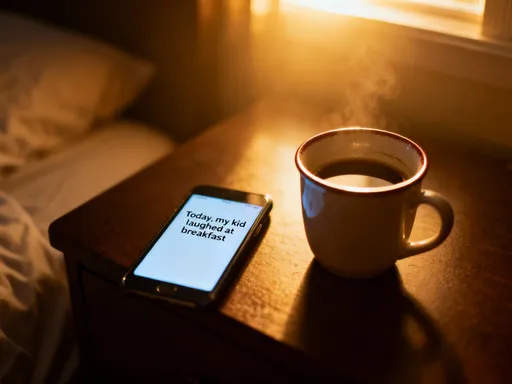
There was a time when my mornings began not with intention, but with reaction. The moment my eyes opened, my brain was already racing—what did I forget yesterday? Who needs what today? Did I reply to that email? My phone buzzed before I even sat up, and by the time I reached the kitchen, I felt like I was already behind. I’d stand there, coffee in hand, staring into space, trying to remember what I was supposed to do next. The house was quiet, but my mind was loud—full of unfinished thoughts, half-formed plans, and that nagging sense of being stretched too thin.
I tried everything to get organized. I bought planners with pretty covers, filled them for three days, then abandoned them. I stuck colorful notes on the fridge—“Call dentist,” “Buy birthday gift”—but they just blurred into the background. I even made a color-coded spreadsheet on my laptop, mapping out every chore and appointment. It looked beautiful. But life isn’t color-coded. It’s messy, unpredictable, and deeply human. No matter how many tools I used, I couldn’t fix the real issue: my mind was overwhelmed. I wasn’t lacking tools—I was lacking stillness.
That’s when I realized I didn’t need another app. I needed a reset. Not a digital detox, not a 10-day silent retreat (though that sounds lovely), but something small, doable, and consistent. Something that could meet me where I was—tired, distracted, and craving a little peace. I didn’t know it then, but that something would be virtual reality. Not for games or social media, but as a daily mental sanctuary. A place where I could step away from the noise and come back to myself.
Discovering VR as a Daily Anchor
It happened by accident. A friend lent me her VR headset, saying, “You should try this meditation app—it’s like being inside a calm.” I was skeptical. I associated VR with gaming, with teenagers shouting at screens, with wires and complicated setups. But I was curious. That evening, after the kids were in bed, I put it on. I chose a forest scene—tall trees, soft light filtering through the leaves, the sound of a distant stream. I didn’t do anything. I just sat in the virtual chair and breathed.
Five minutes passed. No notifications. No one asking for anything. No decisions to make. Just stillness. And something shifted. It wasn’t dramatic, but it was real. When I took the headset off, I felt… lighter. Like I had paused a movie that had been playing at double speed. That night, I slept better. The next morning, I did it again. This time, I stayed for ten minutes. I didn’t force myself to meditate perfectly—I just showed up. And slowly, that daily VR session became my anchor.
It wasn’t about escaping life. It was about returning to it—with more clarity. I wasn’t zoning out; I was tuning in. The virtual space gave me mental room to breathe, to notice what I was feeling, to plan my day without panic. It became the first thing I did, before checking my phone, before opening email, before letting the world in. That small habit created a ripple effect. My mood improved. My focus sharpened. I stopped feeling like I was constantly reacting. Instead, I began to respond—with intention, with calm, with presence.
How VR Redefined My Morning Routine
My old mornings were a blur of urgency. I’d grab my phone, scroll through messages, reply to a few, feel anxious about the ones I couldn’t answer, then rush to get the kids ready. By 8 a.m., I was already exhausted. The day hadn’t even started, and I felt like I was playing catch-up. There was no rhythm, no peace, just a series of reactions.
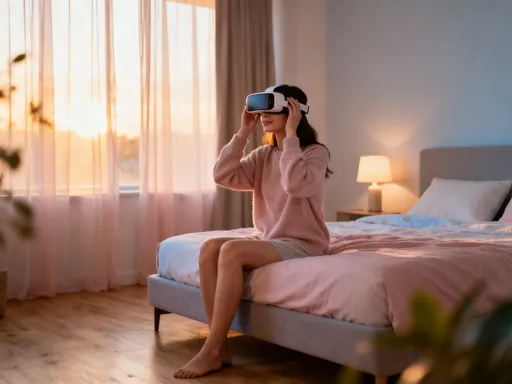
Now, my mornings begin differently. As soon as I wake up, I put on the headset. It’s become a signal to my brain: this is your time. No one needs you yet. Nothing is on fire. You’re safe. I choose a peaceful environment—sometimes a quiet garden, sometimes a lakeside cabin, sometimes just a soft-lit room with a view of mountains. I sit. I breathe. And I let my mind settle.
Then, I do something simple but powerful: I visualize my day. I picture the tasks ahead, not as a list, but as objects in space. The school pickup is a red block. The grocery run is a blue one. The work meeting is a green sphere. I arrange them in my mind, deciding which ones go first, which can wait. This spatial thinking—made possible by the immersive nature of VR—helps me organize my priorities in a way that feels intuitive, not stressful. When I take the headset off, I’m not just awake—I’m aware. I move through my real morning with more ease: slower coffee, a real conversation with my partner, a moment to enjoy the sunrise. The VR session doesn’t replace my life—it prepares me to live it better.
Building Emotional Clarity Through Immersive Calm
Stress doesn’t just clutter your schedule—it clouds your heart. I used to snap at my kids over small things. I’d say yes to every request, then resent it later. I’d lie awake at night, replaying conversations, wondering if I’d been too harsh or too passive. My emotions felt out of control, and I didn’t know how to steady them.
The daily VR practice changed that. In the quiet of the virtual space, I began to notice patterns. I saw how certain thoughts triggered anxiety. I noticed that when I felt overwhelmed, I avoided making decisions. I started using those ten minutes not just to plan, but to check in with myself. I’d ask gentle questions: “What’s really urgent today?” “What am I avoiding?” “What do I need to feel grounded?”
These weren’t therapy sessions, but they had a therapeutic effect. The calm environment helped me observe my emotions without judgment. Over time, I became less reactive. I learned to pause before responding. At work, I made clearer decisions. At home, I listened more. I stopped seeing my to-do list as a measure of my worth. The VR space became my emotional workshop—a place where I could untangle my feelings, not with force, but with kindness. And that clarity didn’t stay in the headset. It spilled into my days, making me a better mom, a better partner, a better version of myself.
Integrating VR Into Family and Shared Life
I’ll admit, I was worried. Would this make me distant? Would I become the mom who disappears into a headset every morning? But the opposite happened. Because I was calmer, more present, my family noticed. My partner said I seemed “lighter” at breakfast. My kids said I wasn’t as quick to say “not now.”
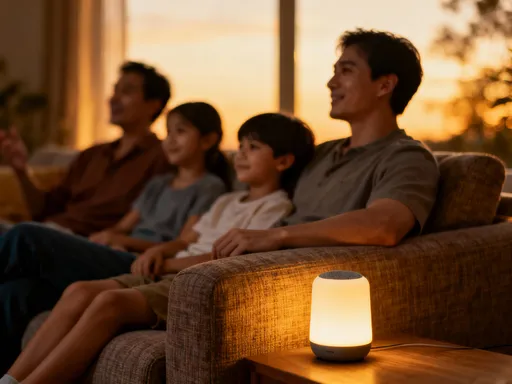
So I invited them in—literally. I showed my partner a short beach scene, just five minutes of waves and seagulls. We didn’t talk. We just sat side by side in our real living room, each in our own headset, sharing the same virtual moment. It became our quiet ritual. No expectations, no conversation—just being together in calm. It was connection, not isolation.
Our older daughter started using gentle VR experiences before bed—soft music, floating stars, a cozy virtual bedroom. It helped her wind down without screens that overstimulate. We called it her “night sky time.” Even our younger son joined occasionally, exploring a peaceful underwater world with slow-moving fish. It wasn’t screen time in the usual sense. It was intentional, calming, and shared. The headset didn’t steal time from family—it gave us better quality time by helping me show up more fully, and by creating new ways to pause together.
Practical Tips for Starting Your Own VR Routine
You don’t need a high-end headset or a lot of time. I started with a basic standalone VR device—no wires, no computer needed. There are several well-known brands on the market that offer user-friendly options for beginners. I downloaded free meditation and relaxation apps—many of them have simple, beautiful environments like forests, beaches, or quiet rooms. The key is to choose a space that feels safe and calming to you.
Start small. Five minutes is enough. Do it at the same time every day—right after waking, before you check your phone. That’s crucial. Let the VR session be the first thing your mind receives, not the notifications. Silence your phone, close the door if you can, and just show up. Don’t worry about doing it “right.” Some days, your mind will race. That’s okay. The habit matters more than the outcome.
Be patient. You might not feel a difference right away. But after a week or two, you may notice subtle shifts—fewer moments of panic, clearer decisions, a gentler inner voice. You might sleep better. You might feel more present at dinner. These small wins add up. And remember, this isn’t about perfection. It’s about presence. You’re not trying to escape life—you’re learning to live it with more calm, more clarity, and more joy.
Why This Small Change Transformed My Life
This wasn’t about chasing the latest tech trend. It was about reclaiming something simple but essential: peace of mind. VR became my mental workshop—a quiet place where I could organize not just my tasks, but my thoughts and emotions. I stopped feeling like I was always behind. I began each day grounded, not scrambling. And that small shift changed everything.
My work improved because I was focused, not frazzled. My relationships deepened because I was present, not distracted. My self-care became real, not just another item on a list. Technology, used this way, isn’t cold or impersonal. It’s a tool that supports our humanity. It helps us pause, reflect, and return to what matters.
If you’re feeling overwhelmed, if your mind feels too full, if you’re craving a little calm—consider this: maybe the most powerful thing you can do today is nothing. Just ten minutes in a quiet virtual space, breathing, being. Let the world wait. Let your mind settle. Because sometimes, to move forward, we must first pause—and step into a world quiet enough to hear ourselves think. This isn’t just a tech habit. It’s a life habit. And it might be exactly what you didn’t know you needed.