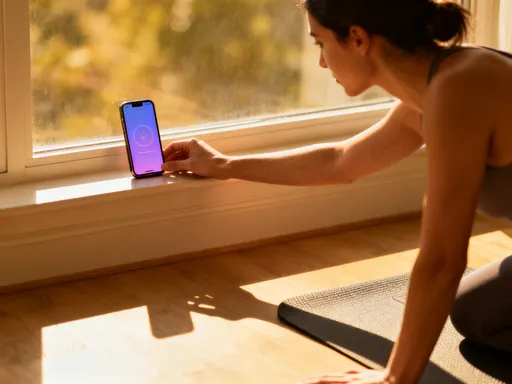
From Screen Slave to Fitness Ally: How My Phone Finally Worked for My Health
We’ve all been there—scrolling mindlessly, neck craned, forgetting we even meant to work out today. I used to feel guilty every time I picked up my phone, like it was stealing my life in tiny digital bites. But what if your phone didn’t distract you from fitness… but actually guided you to it? That changed when I stopped fighting my device and started using it *with* intention. This isn’t about willpower—it’s about working smarter. And honestly, it’s one of the most freeing shifts I’ve made in years. My phone didn’t have to be the enemy. It could be my quiet partner in staying healthy, grounded, and present—even on the busiest days.
The Guilty Scroll: When Your Phone Becomes the Enemy
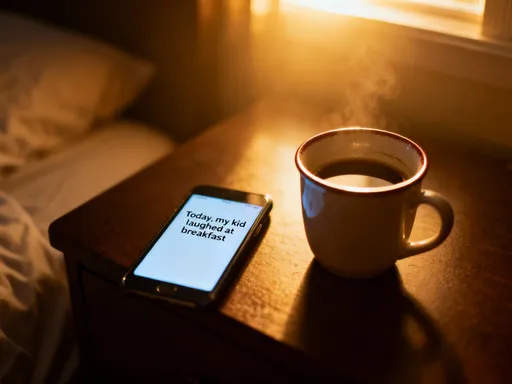
Mornings used to start the same way. Alarm rings. I hit snooze. Then, without even sitting up, my hand reaches for the phone. Just a quick check, right? But that ‘quick check’ turns into 20 minutes of scrolling—news headlines, social media updates, messages from last night I didn’t reply to. Before I know it, half an hour is gone. The kids are asking for breakfast. The dog needs a walk. And I haven’t moved from bed except to grab my device.
Sound familiar? I’m not alone. Most of us wake up already behind, and our phones—meant to connect and inform—end up pulling us deeper into that feeling of being overwhelmed. I’d lie there, heart racing from a stressful post or a work email, telling myself, I’ll stretch later, I’ll go for a walk after lunch. But later never came. The day unfolded in a blur of tasks, and by evening, I was too tired to do anything but collapse on the couch and scroll some more.
What I didn’t realize then was that this pattern wasn’t just stealing time—it was quietly chipping away at my health. Every time I chose the screen over movement, I was reinforcing a habit of stillness. My body, already sore from sitting at the kitchen table answering emails, got stiffer. My energy dipped lower. And the guilt? That built up like unread messages. I started to distrust myself. If I couldn’t keep a simple promise to take a 10-minute walk, how could I manage anything bigger?
But here’s what I’ve learned: the phone wasn’t the villain. It was just being used the wrong way. It’s like blaming the kitchen knife when you cut your finger—it’s not the tool, it’s how you’re holding it. My device wasn’t broken. My relationship with it was. And that realization? That was the first real step toward change.
The Wake-Up Call: Realizing My Screen Time Was Sabotaging My Health
The moment everything shifted came on a regular Tuesday. Nothing special. I’d worn my fitness tracker all day, mostly out of habit. That evening, I opened the app out of curiosity. The screen showed 1,200 steps. That’s it. For a full day. I stared at the number, confused. How could that be right? I’d been ‘so busy’—making lunches, folding laundry, hopping on calls. But when I looked closer, I saw the truth: most of my ‘busy’ happened while sitting. Or standing in one spot. My body hadn’t actually moved much at all.
And then it hit me—every time I reached for my phone, I was replacing a chance to move. That 30-minute scroll after dinner? Could’ve been a walk around the block with the dog. The 15 minutes I spent watching videos while waiting for the kettle? Perfect for a few stretches or a quick dance break with my daughter. I wasn’t lazy. I was distracted. My attention was being pulled away from my body, moment by moment, by the glow of the screen.
It wasn’t about screen time being ‘bad’—it was about what it was replacing. When we’re glued to our phones, we’re not just avoiding movement. We’re avoiding presence. We’re skipping the little moments that keep us feeling alive—like feeling the sun on our face, hearing the birds, noticing how our body feels after a good stretch. I realized my phone wasn’t just taking time. It was stealing small joys, too.
But instead of beating myself up, I got curious. What if I could use that same device to bring me back to my body? What if the thing that pulled me away could also be the thing that gently reminded me to return? That question changed everything. Because it wasn’t about willpower or deleting apps. It was about redirection. And that felt possible.
Flipping the Script: Turning the Phone from Distraction to Daily Coach
I didn’t delete social media. I didn’t go on a digital detox. What I did was much simpler—and more powerful. I started asking a new question every time I picked up my phone: Can this moment serve me instead of drain me? That small shift in intention made all the difference. Instead of fighting my habit of reaching for the phone, I worked with it. I began curating my screen time, not cutting it.
I downloaded a few health apps—not because I thought they’d magically fix everything, but because I wanted gentle support. One app sends me a short breathing exercise when it senses I’ve been still for too long. Another reminds me to stand and stretch after 45 minutes of screen time. These aren’t demands. They’re friendly nudges, like a thoughtful friend tapping me on the shoulder and saying, Hey, how about a little movement?
And here’s the surprising part: I started looking forward to those alerts. They didn’t feel like another task. They felt like care. One of my favorites is a 3-minute guided stretch that pops up between meetings. I do it right at my kitchen counter while the coffee brews. It’s not intense. It’s not perfect. But it’s consistent. And consistency, I’ve learned, is where real change happens.
My phone didn’t stop being a source of distraction overnight. But it became something else, too—a quiet coach that shows up when I need it. It doesn’t judge. It doesn’t shame. It just offers a way back to my body, one small moment at a time. And that has made all the difference.
Apps That Care: Choosing Tools That Feel Like Support, Not Pressure
Not all fitness apps are created equal. I tried a few at first—ones with loud alarms, aggressive countdowns, and messages like You’re behind! Catch up now! Honestly? They made me feel worse. I’d see the notification and immediately shut it off, like I was being scolded. That’s not motivation. That’s stress.
So I got picky. I asked myself: which apps make me feel supported, not guilty? Which ones feel like they’re on my side? The ones I kept were the ones that felt kind. One app uses soft chimes instead of blaring alarms. Another celebrates small wins with warm messages like Nice job standing up! Your body thanks you. These might sound small, but they changed how I felt about moving.
I also loved apps that let me personalize the experience. For example, I linked my step goal to my favorite playlist. Every time I hit 5,000 steps, the app plays a 30-second clip of my go-to song—something upbeat that makes me smile. It’s not about the number. It’s about the joy it brings. Another app sends a hydration reminder every time I log my morning coffee. It says, You’ve had your coffee—how about a glass of water too? It’s gentle. It’s logical. And it works.
One of the most powerful features? Voice-guided breathing. When I’m feeling overwhelmed, I open the app and choose a 2-minute breath session. A calm voice guides me through slow inhales and exhales. I do it while folding laundry or waiting for the kids to get ready. It doesn’t require special clothes or a quiet room. It just requires showing up. And that, I’ve learned, is the real secret to lasting change—making it easy, kind, and woven into the life I already live.
Seamless Moves: Fitting Fitness into the Cracks of a Busy Day
You don’t need an hour at the gym to be healthy. You don’t even need 30 minutes. What you need are moments—tiny pockets of movement that add up without adding stress. And that’s where tech has been a game-changer for me. It helps me spot those hidden opportunities in my day.
For example, my step tracker noticed I usually take the elevator at my building. So it started sending me a gentle reminder: Feeling up for the stairs today? At first, I ignored it. But one day, I thought, Why not? I took the stairs. It took two extra minutes. I was a little out of breath. But I felt good. Now, it’s a habit. On days I’m low on energy, the app adjusts and suggests a shorter route or a slower pace. It meets me where I am.
Another favorite trick? Micro-workouts. I have an app that sends a 90-second stretch routine after long calls. I do it right at my desk—neck rolls, shoulder stretches, a forward bend. It doesn’t look impressive. But it helps me feel more alert and less stiff. My daughter even joined me once and called it our ‘magic reset.’ That made me smile.
For busy parents, remote workers, anyone juggling a million things—this is where tech shines. It doesn’t ask for perfection. It just asks for presence. A two-minute walk after lunch. A few squats while waiting for the microwave. A dance break with the kids. These aren’t workouts in the traditional sense. But they’re movement. And movement, no matter how small, is medicine.
The best part? I don’t have to remember any of it. My phone reminds me. It’s like having a kind, patient coach in my pocket—one who knows I’m busy, tired, and doing my best. And that makes all the difference.
Data with Heart: Seeing Progress Without Obsession
At first, I was obsessed with the numbers. Steps. Heart rate. Minutes active. I’d check my app multiple times a day, feeling proud on high-step days and disappointed on low ones. But that kind of tracking wasn’t sustainable. It turned health into a report card, and I was always worried about getting a bad grade.
Then I shifted my mindset. Instead of judging the data, I started reading it like a story. Fewer steps today? Maybe I was healing. More screen time spent on workout videos? That’s growth. My sleep score was low? Maybe I was processing something emotionally. The numbers weren’t failures. They were clues.
I found an app that focuses on trends, not daily scores. It shows me a weekly summary with gentle insights like You’ve been more active this week than last or Great job hitting your breathing goals! It doesn’t highlight what I missed. It celebrates what I did. And that small difference changed how I saw myself.
I also learned to honor rest. Some days, my body just needs stillness. Instead of pushing through, I now use my app to log rest days with care. One tap, and it records it as intentional recovery. No guilt. No pressure. Just recognition that rest is part of health, not the opposite of it.
Now, when I look at my data, I don’t feel judged. I feel seen. It’s like my phone is saying, I notice you. I see your effort. Keep going. And that kind of support? That’s priceless.
Living Lighter: How My Relationship with Tech—and Myself—Transformed
The biggest change wasn’t on the screen. It was inside me. By aligning my phone with my well-being, I stopped seeing it as a thief of time and started seeing it as a tool for care. I feel more energy. I sleep better. I’m more present with my family. And my inner voice? It’s kinder now. Less criticism. More encouragement.
This journey wasn’t about becoming perfect. It was about becoming aware. It was about taking something I already used—my phone—and making it work for me, not against me. I didn’t have to give up technology. I just had to redirect it.
And that’s what I hope for you, too. Maybe you’re tired of feeling guilty every time you pick up your phone. Maybe you’ve tried to ‘quit’ it, only to fall back into old habits. What if you didn’t have to fight it? What if you could simply invite it to support your health instead?
Start small. Pick one app that feels kind. Set one gentle reminder. Try a 90-second stretch. See how it feels. You don’t have to change everything at once. You just have to begin.
Because health isn’t about big transformations. It’s about small, consistent choices that add up. And your phone? It can be part of that. Not as a distraction. But as a quiet ally, cheering you on—one mindful moment at a time.