From Strangers to Co-Creators: How Online Communities Turn Ideas into Reality
You’ve had that idea—the one that wakes you up at 3 a.m., buzzing with possibility. But then reality hits: you don’t know where to start, who to share it with, or how to keep the momentum. I’ve been there too. What changed? I stopped trying to do it alone. Instead, I found my people—online, in quiet corners of the internet built for creators like us. They didn’t just cheer me on; they helped shape the project, offered skills I lacked, and kept me going when I wanted to quit. It wasn’t magic—it was connection. And it’s available to anyone ready to step out of isolation and into a space where ideas don’t just survive, they thrive.
The Moment You Realize You’re Not Meant to Build Alone
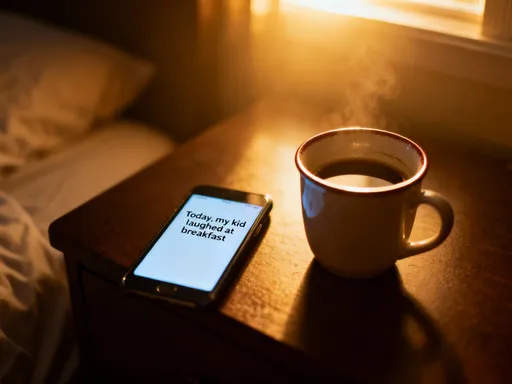
Remember that notebook tucked in your nightstand? The one filled with sketches, half-written plans, and dreams scribbled in coffee-stained margins? I used to carry mine like a secret, afraid someone would see it and say, "That’s sweet, but is it realistic?" I wanted to create something meaningful—a line of handmade home goods, something simple but beautiful. But every time I sat down to work on it, the silence was crushing. No feedback. No encouragement. Just me, my doubts, and a growing sense that maybe this was all just a fantasy.
It wasn’t lack of motivation. It was lack of connection. Creativity, I’ve learned, doesn’t flourish in a vacuum. It needs air—questions, reactions, even small disagreements. Without that, even the brightest idea can dim over time. I’d sketch a design, take a photo, and then… do nothing. No next step. No push. I wasn’t lazy, but I was lonely in the process. And that loneliness became the quiet enemy of my progress.
Then one night, after yet another false start, I did something small: I typed “small creative business support group” into a search bar. Not expecting much. Just hoping to find one person who might say, "I get it." What I found was a group of women—moms, retirees, part-time crafters, full-time dreamers—sharing their work, asking for advice, celebrating tiny wins. And in that moment, I realized something powerful: I wasn’t supposed to do this alone. None of us are. The internet, for all its noise, holds spaces where people like us are already gathering—quietly, patiently, waiting to be found. And that first click? It wasn’t just a login. It was the beginning of collaboration.
Finding Your People in the Digital Noise
Let’s be honest—most of what we see online feels loud, performative, exhausting. Endless reels, polished feeds, influencers selling solutions we don’t need. It’s easy to believe there’s no room for the slow, the imperfect, the quietly passionate. But here’s the truth: beneath the surface, there are pockets of calm. Real communities, built not for likes, but for connection. And they’re easier to find than you think.
Think about the last time you searched for something specific—“how to price handmade candles,” or “best platforms for selling digital printables.” That search didn’t just give you answers. It led you somewhere. Maybe it was a Facebook group with 2,000 members, all posting photos of their latest projects. Or a Discord server where people share templates and troubleshoot tech issues at midnight. These aren’t random corners of the internet. They’re curated, cared for, often by volunteers who believe in the power of shared learning.
What makes them different? They’re not about popularity. They’re about participation. You don’t need thousands of followers to be seen. You just need to show up with curiosity. And the beauty is, the more specific your interest, the more likely you are to find your people. Searching for “eco-friendly packaging for small batch soaps”? There’s a group for that. Looking for help with launching a blog after 40? There’s a community waiting, full of women who started exactly where you are.
I remember joining one group focused on home-based creative businesses. At first, I just read—lurked, as they say. But within days, I saw someone post a photo of a label design that looked exactly like what I’d been struggling with. I commented, asking how she’d made it. She responded with a full tutorial, no strings attached. That moment changed everything. It wasn’t just the help—it was the kindness. It told me, "You belong here." And that sense of belonging? That’s what turns a random online space into a creative home.
From Passive Lurker to Active Creator
Let’s talk about fear. Not the dramatic kind—the kind that comes in whispers. "What if my work isn’t good enough?" "What if people laugh?" "What if I’m not really a creator—just someone pretending?" These thoughts kept me silent for weeks. I’d read every post in the group, absorb every tip, but never hit “share.” I wanted to be ready. Perfect. But here’s what I learned: in real creative communities, perfection isn’t the goal. Progress is.
The shift happened when I finally uploaded a photo of my first prototype—a linen tea towel with hand-stitched embroidery. My hands shook hitting “post.” I braced for silence, or worse, polite disengagement. Instead, within minutes, messages poured in. "Love the color choice!" "Have you thought about offering custom initials?" "Can you make one in sage green? I’d buy it today!" No criticism. No judgment. Just genuine interest and small, practical suggestions.
That feedback didn’t just improve my design—it changed how I saw myself. I wasn’t just a hobbyist with a side project. I was someone whose work mattered to others. And that tiny spark of confidence? It fueled my next step. I started replying to others’ posts, offering feedback, sharing resources. I began asking questions instead of hiding them. "Does anyone know a reliable printer for small runs?" "How do you handle shipping labels efficiently?" Each interaction deepened my sense of belonging.
What I didn’t expect was how natural it felt to contribute. It wasn’t about being the smartest or most experienced. It was about showing up, being honest about what I knew—and what I didn’t. And in that space, vulnerability wasn’t weakness. It was the doorway to real collaboration. The moment I stopped waiting to be “ready” and started sharing my process—the messy, uncertain, evolving version—was the moment I became a real creator.
Skills You Didn’t Know You Needed—And How the Group Filled the Gaps
Here’s something no one tells you: bringing an idea to life requires skills you probably don’t have. Not because you’re not capable—but because creativity today is rarely a solo act. You might be amazing at designing, but clueless about SEO. Great with a needle and thread, but lost when it comes to photography. Passionate about your product, but unsure how to talk about it online.
When I launched my first collection, I hit a wall fast. I had the products, but my photos looked dull. Flat lighting, cluttered backgrounds, no consistency. I knew visuals mattered, but I didn’t know how to fix it. I posted a frustrated message in the group: "My photos make everything look cheap. Help?" Within hours, three women reached out. One offered to do a quick Zoom call to walk me through natural lighting. Another shared her free Canva templates for product flat lays. A third sent me a list of free photo editing tools that didn’t require a design degree.
That support wasn’t transactional. No one asked for payment. They helped because they remembered being stuck too. And the best part? Their help wasn’t overwhelming. It was specific, actionable, and kind. I didn’t walk away with a masterclass—just three small changes that transformed my images overnight.
But it didn’t stop there. When I struggled with packaging, someone connected me with a small eco-supplier she trusted. When I hesitated over pricing, a woman who’d been selling for years shared her simple formula. When I panicked about setting up a website, two members offered to do a beta test and give feedback. None of this was advertised. No one was selling a course. It was just… help. Given freely, received gratefully.
What made this possible? Trust. Over time, as we showed up consistently, shared our wins and worries, we built real relationships. And in that space, offering help became natural. No ego. No competition. Just women lifting each other up, filling gaps quietly, without fanfare. I didn’t need to hire a team. I already had one—scattered across the country, connected by screens, united by purpose.
When Encouragement Turns Into Accountability
Motivation is fleeting. We’ve all felt it—bursting with energy one week, dragging through the next. Enthusiasm fades. Life gets busy. Kids get sick. Laundry piles up. And suddenly, that project you loved feels like another chore. That’s when emotional support isn’t enough. What you need is gentle accountability—the kind that doesn’t shame, but sustains.
In my group, it started small. A simple comment: "Can’t wait to see the new design!" Then another: "How’s the packaging coming along?" At first, I didn’t think much of it. But over time, I realized these messages were doing something powerful. They were creating soft deadlines. Not rigid ones, but kind reminders that people were watching—not to judge, but to celebrate.
When I announced I was working on a seasonal collection, several members said, "I’ll be checking your shop next month!" That casual comment lit a fire under me. I didn’t want to let them down. Not because they demanded it, but because I wanted to show up for the community that had shown up for me.
This kind of accountability is different from pressure. It’s not about productivity hacks or 5 a.m. routines. It’s about connection. When people care about your journey, you care more about finishing it. I started sharing weekly updates—not grand announcements, just simple photos: "Today I finalized the embroidery pattern." "First batch of towels is in the mail!" Each post was met with encouragement, but also quiet expectation. And that expectation? It kept me moving, even on days when inspiration was low.
One member started a monthly “progress check-in” thread where everyone shared one win and one goal. I looked forward to it all month. Typing out my small victory—"Sold five sets at the local market!"—felt like being seen. And declaring my next step—"Launch the website by the 20th"—made it real. Technology made it possible, but humanity made it meaningful. We weren’t just using tools. We were holding space for each other’s growth.
From One Project to a Creative Lifestyle
Here’s the beautiful thing about starting small: it changes how you see yourself. At first, I thought of my work as a side hustle—a creative escape from the routines of home and family. But as I kept showing up, kept sharing, kept growing, something shifted. I wasn’t just doing a project. I was becoming someone new.
That tea towel line? It led to napkins. Then table runners. Then a collaboration with a local ceramicist I met in the group. Each step felt natural, supported, exciting. And more than the products, I noticed a change in my mindset. I started seeing problems as opportunities. A stained tablecloth? "Could this be a dyeing experiment?" A broken chair? "Maybe it’s a future upcycle project." Creativity wasn’t something I did on weekends. It was how I moved through the world.
The group evolved with me. As my confidence grew, so did the conversations. We began discussing long-term vision, branding, even scaling with integrity. No one pushed me to “go viral” or “quit my day job.” Instead, they asked better questions: "What kind of legacy do you want to build?" "How can your work reflect your values?" These weren’t just business questions. They were personal ones.
I started mentoring newer members, sharing what I’d learned. Not because I was an expert, but because someone had done it for me. And in teaching, I deepened my own understanding. Creativity became a cycle—learn, create, share, repeat. It wasn’t about fame or fortune. It was about fulfillment. About showing up as my fullest self, not just for my family, but for me.
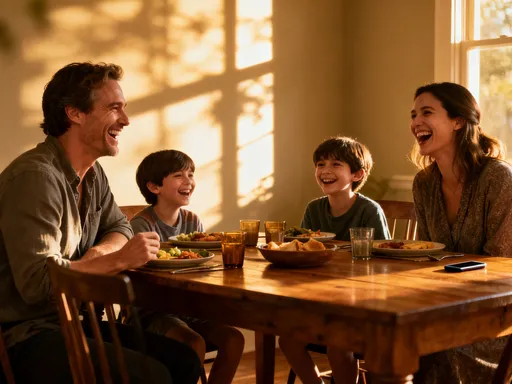
And the most unexpected gift? My kids noticed. They’d see me sketching at the kitchen table and say, "Mom, are you making something beautiful again?" In their eyes, I wasn’t just the one who packed lunches and folded laundry. I was the creator. And that? That was everything.
Building Something That Outlasts the Initial Idea
Every project has a beginning and an end. My first tea towel collection sold out. I didn’t renew it. It had served its purpose—it launched me, taught me, connected me. But the group? That’s still going. Stronger than ever. And now, it’s more than a support space. It’s a living ecosystem of care, creativity, and quiet courage.
Some members have started their own businesses. Others have published books, launched podcasts, taught workshops. A few of us even co-host a small annual retreat—nothing fancy, just a weekend of sewing, sharing, and sitting by the fire. These aren’t outcomes we planned. They’re gifts of connection.
What I’ve come to understand is this: technology, at its best, doesn’t replace human connection. It amplifies it. The apps, the platforms, the tools—they’re just bridges. The real magic happens on the other side, where strangers become allies, then collaborators, then friends. Where an idea whispered in the dark finds light through shared belief.
So if you’re sitting there with a dream, a sketch, a half-formed plan—know this: you don’t have to finish it alone. You don’t have to be perfect. You just have to begin. Search for your people. Join the quiet group. Post that imperfect photo. Ask that “silly” question. Because somewhere out there, someone is waiting to say, "I love that. Tell me more." And from that moment, you’re no longer a solo dreamer. You’re a co-creator. And together, you can build something that lasts long after the first idea fades.