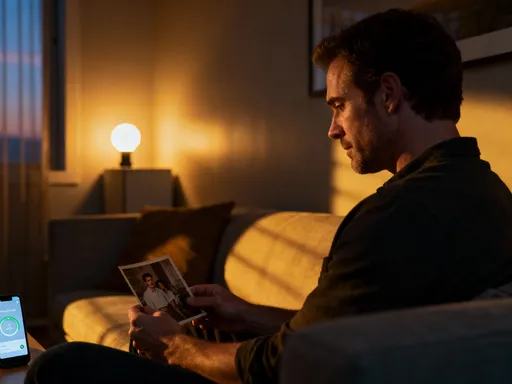
Tired of chaotic bedtime routines? How family note apps quietly changed ours
You know that hour before bed—when the kids are wound up, the to-do list is still blinking in your mind, and you just want a moment of calm? We’ve all been there. For years, our evenings felt like a tug-of-war between bedtime stories, forgotten school forms, and mental notes lost by morning. Then we found something simple but surprising: a shared family note app. It didn’t just organize us—it brought us closer. Let me show you how tiny digital notes at bedtime became our secret to connection, clarity, and quiet wins. What started as a way to remember lunchboxes and permission slips slowly turned into something deeper: a nightly ritual of listening, sharing, and being seen. And honestly? It’s changed how we show up for each other.
The Bedtime Chaos No One Talks About
Evening used to be the time when everything seemed to fall apart. The kids would bounce off the walls after dinner, my spouse would still be on a work call, and I’d be standing in the kitchen, trying to remember if I packed the library book, signed the math quiz, or responded to the PTA email. My brain felt like a browser with 47 tabs open—and none of them closing. The chaos wasn’t loud or dramatic. It was quiet, steady, and exhausting. It wasn’t one big thing. It was a thousand little things—missing permission slips, forgotten soccer cleats, bedtime negotiations that turned into power struggles. And by the time everyone was finally in bed, I’d collapse on the couch, emotionally drained, wondering why I felt so alone in a house full of people.
What made it worse was the guilt. I’d think, Am I doing enough? Am I present? Am I failing them? The truth is, I wasn’t failing. I was just overwhelmed. And I wasn’t alone. So many moms I talk to describe the same cycle—rushing through dinner, juggling homework, soothing bedtime tears, and still feeling like they missed something important. The problem wasn’t love or effort. It was connection. We were all doing things for each other, but not necessarily with each other. The moments that mattered—when a child wanted to share a dream or a worry—got lost in the noise. I realized we needed a way to slow down, to listen, and to feel like a team again. That’s when I started looking for a tool that could help us breathe.
Discovering the App That Felt Like a Family Whisper
I first heard about family note apps from a friend during a coffee run. She mentioned casually, “We’ve been using this little app to leave notes for each other at night. It’s kind of changed everything.” I rolled my eyes a little—another tech fix? But she didn’t talk about features or sync times. She said, “My son left me a voice note saying he was proud of me for cooking broccoli. I cried.” That got my attention. So I downloaded one of the well-known family apps—nothing flashy, just simple, secure, and easy to use. No ads, no complicated setup. We picked a name for our family group—“The Maple Street Crew”—and invited everyone.
The first night was awkward. I typed a note: “Don’t forget your water bottle tomorrow!” Practical, but not exactly heartwarming. But then my daughter, who’s seven, recorded a voice message with a giggle: “Mommy, I love you more than pancakes.” My son, ten, drew a silly doodle of our dog wearing sunglasses. And my husband wrote, “Proud of how you handled the meltdown at Target today.” In that moment, something shifted. This wasn’t just a reminder tool. It was a digital corner of our home where we could leave little pieces of our hearts. It felt private, safe, and surprisingly intimate. We weren’t texting. We weren’t scrolling. We were connecting. And the best part? No pressure. No need to respond right away. Just a quiet space where love could land softly.
How Notes at Bedtime Became Our Ritual of Connection
We didn’t plan for it to become a ritual. It just happened. After brushing teeth and reading stories, the kids started asking, “Can we check the app?” At first, it was about logistics—“Bring home your art project,” “We need milk.” But slowly, it evolved. Now, every night, we each write or record one thing: a win, a hope, a joke, or just “I love you.” My daughter often shares what made her happy that day. My son likes to post a goal: “Tomorrow, I’m going to try to raise my hand in math.” I’ve started sharing small affirmations: “You are kind. You are enough.” And my husband? He leaves little dad jokes that make us groan and laugh at the same time.
What surprised me most was how this simple habit created emotional safety. My son, who used to shut down when upset, now leaves a note: “I didn’t like it when you said my room was messy. It made me feel bad.” That one sentence opened a conversation we’d never had before. Because it wasn’t said in the heat of the moment, it didn’t feel like an attack. It felt like an invitation to understand. We started responding with empathy: “Thank you for telling me. I didn’t mean to hurt your feelings. Let’s clean it together tomorrow.” The app became our family’s emotional landing pad—a place where feelings could be shared gently and received with care. And because it’s digital, it feels less intense for kids who struggle with face-to-face conversations. It’s like giving them a microphone and saying, “You’re safe to speak.”
Turning Dreams into Daily Wins with Shared Goals
One night, my daughter typed: “I want to read more books.” That sparked a family conversation. We decided to set a shared goal: read together for 20 minutes every night. Instead of a chore list, we created a “Family Wins” board in the app. Every time someone hit a goal, they’d post about it. “I read 30 pages!” “We ate dinner without screens!” “I helped my sister tie her shoes.” The app turned our intentions into something visible, something we could celebrate together.
What made it work was that it wasn’t about perfection. It was about progress. When my son forgot to practice piano one night, he left a note: “I didn’t do it. But I’ll try tomorrow.” And we responded with encouragement, not criticism. That’s the power of this tool—it turns setbacks into learning moments, not failures. We also started using check-ins: every Sunday night, we’d post our hopes for the week. “I want to be kinder at school.” “I want to cook more healthy meals.” Seeing each other’s goals made us more supportive. When I posted that I wanted to drink more water, my kids started leaving little reminders: “Mom! Hydrate!” with a drawing of a water bottle. It was sweet, funny, and surprisingly effective. The app didn’t just track tasks. It nurtured a culture of encouragement. We weren’t just a family sharing a home. We were a team cheering each other on.
The Unexpected Gift: Teaching Kids Emotional Awareness
One of the most beautiful side effects of using the app has been watching our kids grow emotionally. Before, if something upset them, they’d either explode or shut down. Now, they have a tool to name what they’re feeling. My daughter once left a note: “I felt left out when you were on the phone during my dance.” My heart broke a little, but I was so grateful she told me. We talked about it the next morning, calmly and kindly. I apologized, and we made a plan: when I’m on important calls, I’ll let her know ahead of time.
The app gave her the words and the space to express herself. And that’s huge. Emotional intelligence isn’t something you can force. It grows in moments of safety and connection. By responding to their notes with empathy—never judgment—we’re teaching them that their feelings matter. We’re also modeling how to listen and repair. When my son wrote, “I was mad at Dad for missing the game,” instead of getting defensive, my husband replied, “I’m sorry I wasn’t there. That must have felt really disappointing. Can we watch the highlights together?” That response taught more than any lecture ever could. Over time, we’ve seen our kids become more self-aware, more compassionate, and more resilient. They’re learning that it’s okay to feel, okay to speak up, and okay to ask for what they need. These are skills that will serve them long after they’ve outgrown bedtime stories.
Keeping It Real: How We Avoid Tech Overload
I’ll be honest—I was worried the app would become just another screen distraction. The last thing I wanted was to add more digital noise to our lives. So we set clear boundaries from the start. No notifications after 8 PM. We check the app only once, right before bed. And we keep messages short and meaningful. This isn’t a place for long rants or daily updates. It’s a sacred space for connection, not clutter.
We also made it accessible for everyone. For my younger daughter, who’s not great at typing, we use voice notes and drawings. She loves recording silly songs or whispering secrets. My son prefers typing, but he knows he can use emojis or doodles too. We use color-coding: blue for reminders, green for wins, pink for love notes. It keeps things simple and fun. And we never use it for discipline or nagging. If I need to remind someone about chores, I do it in person, not in the app. That way, the app stays positive and safe. We also check in with each other regularly: “Does this still feel good? Should we change anything?” It’s not a rigid system. It’s a living, breathing part of our family life—one that evolves as we do. The key is intentionality. Technology isn’t the hero here. Our love is. The app is just the helper.
Why This Small Habit Changed Everything
Looking back, I never thought a simple note app could make such a difference. It didn’t solve every problem. We still have messy rooms, forgotten homework, and sibling squabbles. But what it did was create space—space to breathe, to listen, to remember what matters. It slowed us down in a world that’s always rushing. It reminded us that connection isn’t found in grand gestures, but in the quiet, everyday moments.
Now, when bedtime rolls around, it doesn’t feel like a battle. It feels like a pause. A chance to reflect, to share, to say, “I see you.” The kids don’t just go to sleep. They feel seen. And so do I. That sense of being known, of belonging, of being part of something bigger—that’s what changed everything. This little habit didn’t just organize our lives. It softened them. It brought warmth to the routine. It turned our home into a place where everyone feels valued, heard, and loved.
If you’re feeling overwhelmed, if your evenings feel scattered, I’m not saying you need to download an app. But I am saying: find your version of this. Find a way to create space for your family to connect—without pressure, without performance. It could be a journal on the fridge, a nightly check-in, or yes, a shared note app. The tool doesn’t matter as much as the intention. Because when we make space to listen, to share, to say “I love you” in a hundred small ways, we’re not just raising kids. We’re building a home. And that? That’s the quietest, most powerful win of all.