More than quiet nights: Sleep tech that helps families sync, support, and truly rest together
Sleep isn’t just personal—it’s something families share. For years, I thought restless nights were just part of parenting until I discovered how simple tech tools could align our rhythms. It wasn’t about fixing insomnia with gadgets, but about creating connection. When my partner and I started using gentle audio cues and shared wind-down routines, something shifted. We weren’t just falling asleep easier—we were communicating better, feeling closer, and actually enjoying our evenings again. It wasn’t magic. It was intention, supported by smart, simple technology that worked quietly in the background. And honestly? The change didn’t just improve our sleep. It softened our edges, made us more patient, and gave us back the peace we didn’t even realize we’d lost.
The Hidden Challenge of Shared Sleep (Even When We’re Not Sharing a Bed)
Let’s be honest—most of us don’t share a bed with our kids past toddlerhood, and many couples even sleep in separate rooms. But sleep, in a family, is never truly isolated. Think about it: when one person tosses and turns, it can change the whole household’s energy. Maybe your teenager stays up late on their phone, then wakes up groggy and snaps at breakfast. Or your partner checks work emails in bed, and you feel the tension even if they’re quiet. That irritation? It’s not just about mood. It’s about disrupted rhythms. When sleep schedules drift too far apart, it’s like everyone is living in a different time zone under the same roof.
I remember a phase when my youngest was going through a growth spurt and kept waking up thirsty. Every night, the hallway light flicked on, the fridge door opened, and I’d lie there, half-awake, wondering if I should get up. My husband, a light sleeper, would sigh and turn over. By morning, we were both irritable—me from broken sleep, him from being woken up. Our daughter didn’t mean to cause chaos, but the ripple effect was real. And we weren’t alone. Research shows that poor sleep in one family member can impact stress levels, emotional regulation, and even immune function across the household. It’s not just about how much sleep you get—it’s about how restful and synchronized it feels.
That’s when I started seeing sleep differently. Instead of treating it as a personal hygiene habit—like brushing your teeth—I began to view it as emotional infrastructure. The foundation of how we show up for each other. When someone’s sleep is off, the whole system wobbles. And while we can’t control everything—growth spurts, nightmares, work stress—we can create conditions that make rest easier, more predictable, and more supportive for everyone. That’s where technology, used thoughtfully, can step in. Not to fix people, but to support the shared rhythm of a family.
From Noise to Harmony: How Gentle Sound Systems Rebalance Family Energy
One of the first things we changed was the sounds in our home at night. We used to have silence—or worse, the hum of screens. But silence isn’t always peaceful, especially for kids. A creaking floorboard can sound like a monster. A car passing outside can jolt someone awake. That’s when I learned about ambient sound systems. And no, I’m not talking about loud white noise machines that make your room sound like an airplane cabin. I mean soft, consistent background sounds—like rain falling on leaves, ocean waves, or even a gentle piano melody—that create a sense of safety.
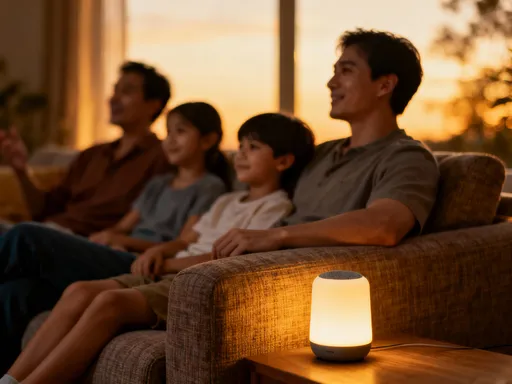
We started with a small smart speaker in my daughter’s room. I found a playlist called “Forest Night” with soft cricket chirps and distant owl calls. She loved it. But what surprised me was how it helped the whole house. We set it to turn on at 8:15 p.m. every night, just as part of the bedtime routine. Then, we added a second speaker in the living room, syncing it to the same sound. Suddenly, the whole downstairs had a calming atmosphere. My husband and I would sit on the couch, and instead of scrolling through our phones, we’d talk—or just sit in the quiet, together.
Here’s the thing about sound: it’s emotional. Certain frequencies can signal the brain that it’s safe to relax. And when the same sound plays every night, it becomes a cue—like a lullaby for grown-ups. We even started using voice commands. “Hey, play wind-down sounds,” I’d say, and within seconds, the soft hum of nature would fill the air. No arguments, no reminders. Just a gentle shift in energy. And when my son, who used to fight bedtime, heard the familiar sounds, he’d say, “Oh, it’s almost time for pajamas,” like it was a game we all agreed on.
What I love most is how inclusive this can be. We let the kids pick the sounds sometimes. One week it was underwater whales, the next it was a crackling fireplace. It gave them a sense of control, which made them more cooperative. And for us? It became a shared language of calm. We weren’t just blocking noise—we were building a soundscape of belonging.
Shared Wind-Down Routines: Building Connection Before Lights Out
Sleep doesn’t start when your head hits the pillow. It starts long before that—with how you transition from the busyness of the day into rest. And that transition is where so many families get stuck. We’re either rushing to finish chores or glued to screens, and then we expect ourselves and our kids to just “shut off” at bedtime. No wonder it doesn’t work.
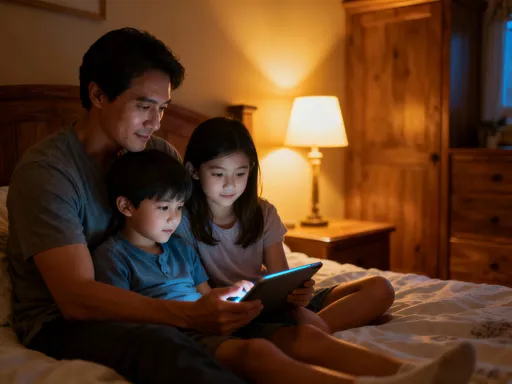
So we created what we call our “family reset.” Five minutes before bedtime, the smart speaker announces, “Time to wind down.” Then, it plays a short guided breathing exercise—just two minutes of slow inhales and exhales, with a soft voice guiding us. At first, my kids giggled. “You’re breathing funny!” But after a few nights, it became normal. Now, they ask for it. “Can we do the breathing thing?” And here’s the magic: during those few minutes, we’re all in the same headspace. No demands, no screens, just breathing together.
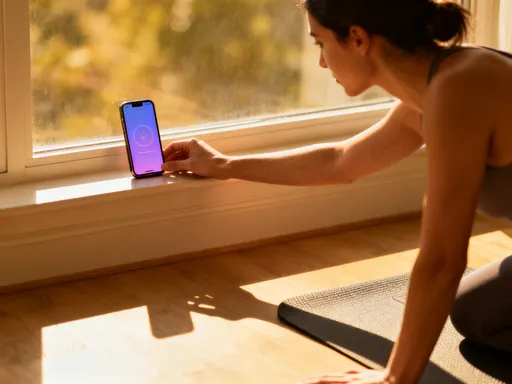
We also use a simple app that offers short visualizations—like imagining you’re floating on a cloud or walking through a quiet garden. My daughter says it helps her “stop thinking about school stuff.” My husband admits it helps him let go of work stress. And for me? It’s the first time all day I feel truly present. We don’t do it every night—life happens—but on the nights we do, the difference is noticeable. Bedtime battles fade. Conversations stay kind. Even the dog seems calmer.
What I’ve realized is that these routines aren’t just about sleep. They’re about connection. They create a tiny pocket of time where we’re not asking anything of each other—we’re just being together. And that, more than any gadget, is what helps us rest. The technology doesn’t replace us—it makes space for us to show up as better versions of ourselves.
Coordinating Sleep Schedules Without the Conflict
If you’ve ever lived with a teenager, you know the struggle: they’re wide awake at midnight while you’re fighting to stay conscious by 10 p.m. It’s not just annoying—it’s biological. Teens naturally have later circadian rhythms. But when their sleep schedule clashes with the rest of the family’s, it creates tension. Lights on late. Music playing. Arguments about screen time. And then, come morning, everyone’s exhausted.
We used to nag. “Turn off the light!” “Put the phone down!” “You’ll be tired tomorrow!” And guess what? It didn’t work. But what did work was shifting from control to collaboration. We started using a shared digital calendar—nothing fancy, just the one built into our family tablet. We blocked out sleep times for each person, color-coded and visible to everyone. My bedtime was blue, my husband’s was green, the kids’ were yellow and purple. We didn’t enforce it like a rule—we treated it like information.
Then, we added gentle reminders. A soft chime from the smart speaker at 9:30 p.m. said, “Winding down in 30 minutes.” No yelling. No guilt. Just a neutral signal. For the kids, we let them choose the reminder sound—a soft bell, a bird chirp, a gentle piano note. Giving them that choice made them more likely to respond. And for the teenager? We worked with her to set her own bedtime window, as long as it stayed within a reasonable range. She picked a soothing synth tone that felt “cool” but not annoying.
The real win? We stopped policing each other. Instead of me saying, “Why are you still up?”, I could say, “I see your wind-down time starts in ten minutes—do you need help wrapping up?” It changed the whole tone of the conversation. We weren’t fighting about sleep—we were planning for it, together. And when the house started quieting down naturally, it felt like a team effort, not a battle.
When One Person Rests Better, Everyone Feels It
I’ll admit it—I was the one who started using a sleep tracker. I wasn’t having major insomnia, but I often woke up feeling tired. I wanted to understand why. I got a simple ring device that tracks sleep stages, heart rate, and how long it takes me to fall asleep. At first, I kept the data to myself. But after a few weeks, I noticed a pattern: on nights I fell asleep before 11, I was calmer the next day. More patient. Less reactive.
So I shared it. Not the raw data—I didn’t need to show charts at breakfast—but I said, “You know, I’ve been trying to sleep earlier, and I’ve noticed I’m in a better mood the next day.” My husband looked up and said, “Huh. I’ve been snapping less since I started using that pillow with the neck support.” And just like that, we were talking about sleep as self-care—not laziness, not weakness, but something that helps us show up better for each other.
That conversation opened the door. My daughter started tracking her sleep with a kid-friendly app that uses fun animations to show how rest affects energy. She learned that when she skips her wind-down routine, she feels “wiggly” the next morning. My son, who used to deny he was tired, now says, “I think I need more sleep—I didn’t do well on my math test.” We weren’t diagnosing anything. We were building awareness.
And here’s what surprised me: the more we talked about sleep, the more empathetic we became. When someone was struggling, we didn’t blame. We asked, “Did you get enough rest?” or “Want to try the breathing exercise tonight?” It became part of our care language. And that shift—from judgment to curiosity—changed everything.
Tech as a Teammate, Not a Replacement for Human Connection
I want to be clear: no gadget can replace a real conversation. No app can hug your child when they’re scared. No smart speaker can understand the weight of a bad day. But what technology can do is create the space for those human moments to happen. It can remove friction. It can protect time. It can help us be more present.
One of the best changes we made was a device-free hour before bed. We used a smart plug to turn off the TV and game consoles at 8 p.m. At first, the kids complained. But we replaced screen time with something simple: a nightly check-in. We’d sit together—no phones, no distractions—and each person would share one thing that was good about the day and one thing they were looking forward to tomorrow. It took ten minutes. But in that time, we reconnected.
The tech didn’t make us talk. It made it easier to talk. By removing the temptation of screens, it gave us back the space to listen. And over time, those check-ins became something we looked forward to. My daughter shared that she was nervous about a school project. My husband admitted he was stressed about a deadline. And I realized how rare it was to hear each other without interruption.
That’s the role tech should play—not the star of the show, but a supporting actor. It’s not about replacing warmth with wires. It’s about using tools to protect what matters most: our time, our attention, our connection. When used with intention, technology doesn’t isolate us. It brings us closer.
Creating a Rest-Friendly Culture at Home: Small Shifts, Big Returns
After a year of these changes, I can say this: our home feels different. Not perfect—never perfect—but softer. Kinder. More in tune. We still have late nights and early wake-ups. But now, we have tools and routines that help us reset, reconnect, and recover. And the best part? It didn’t require expensive gear or a total lifestyle overhaul. It started with small, intentional choices.
One of the most powerful shifts was involving everyone in the process. We hold a monthly “sleep check-in” during dinner. No pressure—just a casual chat. What’s working? What’s not? Should we try a new sound? Does someone need a different bedtime? The kids love having a voice. And we’ve learned so much—from my son wanting dimmer lights to my daughter preferring a longer wind-down time on school nights.
We also rotate who controls the evening playlist. One week it’s me, the next it’s my husband, then the kids take turns. It keeps things fresh and gives everyone ownership. And we’ve started using a shared family journal—not digital, just a notebook on the nightstand—where anyone can write a quick note before bed. Sometimes it’s “I love you,” sometimes it’s “I’m proud of you.” It’s become a quiet ritual of care.
Looking back, I realize we weren’t just improving sleep. We were building a culture of rest—a shared understanding that rest is not a luxury, but a necessity. That taking care of yourself isn’t selfish—it’s how you show up for others. And that technology, when used with heart, can help us do that more gently, more wisely, and more together. So if you’re feeling worn thin, if your household feels out of sync, I invite you to start small. Try a shared sound. Create a five-minute ritual. Let a gentle reminder replace a nag. Because better sleep isn’t just about quieter nights. It’s about deeper connection, greater patience, and a home that feels, finally, like a place of peace.