What If Your Reading Time Could Finally Work for You—Not Against You?
How many times have you promised yourself, “I’ll read more this week,” only to end up scrolling mindlessly before bed? You’re not alone. Between work, family, and daily chaos, finding time to read often feels like another chore. But what if the solution isn’t more willpower—but smarter timing? The right app doesn’t just track pages; it helps you design your day around what truly matters. Let’s talk about how small changes in planning can make reading a natural, joyful part of your life.
The Broken Promise of “I’ll Read Later”
We’ve all been there—sitting on the couch after dinner, telling ourselves, “Just five more minutes of this show, then I’ll pick up my book.” And somehow, two episodes later, the book stays closed. Or we fall asleep with the light on, phone in hand, having read nothing but social media captions. The intention is real. You want to read more. Maybe it’s to learn something new, to feel calmer, or just to reconnect with a part of yourself that gets lost in the daily rush. But the reality? “Later” never comes.
And that gap between what we mean to do and what we actually do carries weight. It’s not just about missing a chapter—it’s about that quiet sense of guilt, the feeling that you’re letting yourself down. You see the bookmark still on page 27, untouched for weeks, and think, Am I the only one who can’t stick with this? But here’s the truth: it’s not you. It’s the system. Most of us don’t fail because we lack discipline. We fail because we rely on willpower instead of structure. We say “I’ll read when I have time,” but time doesn’t appear. It has to be made.
Think about how you treat other important things in your life. You don’t say, “I’ll call the school later.” You put it on the calendar. You don’t say, “I’ll take my vitamins when I remember.” You keep them by your coffee maker. Reading deserves the same respect. It’s not a luxury. It’s a form of nourishment—one that feeds your mind, your mood, and your sense of self. So why do we keep treating it like an afterthought?
Why Time Blocks Beat To-Do Lists for Real Change
Let’s talk about to-do lists. They’re helpful, sure. But they’re also where good intentions go to die. How many times have you seen “read 20 pages” on your list, only to skip it because… well, when exactly were you supposed to do it? The problem with to-do lists is that they tell you what to do, but not when. And without a clear time, it’s easy to push things off. “I’ll do it later.” Sound familiar?
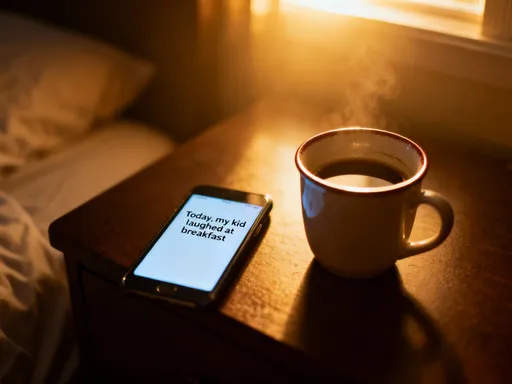
Now imagine this: instead of writing “read,” you write “read from 7:15 to 7:45 a.m. with coffee.” Suddenly, it’s not a vague goal. It’s an appointment. That’s the power of time blocking. It turns intention into action by giving your plans a home in your day. And the best part? It reduces decision fatigue. You don’t have to ask yourself, “Should I read now?” You already decided—yes, at 7:15.
I remember when I first tried this. I was a mom of two, juggling work, school pickups, and endless laundry. I kept saying I wanted to read more, but my book stayed on the nightstand like a silent judge. Then I blocked 20 minutes every morning before the kids woke up. I set my alarm 20 minutes earlier, put my book and coffee on the kitchen table the night before, and made it non-negotiable—like a doctor’s appointment. And guess what? I started reading. Not every day perfectly, but most days. And that consistency built momentum.
Our brains love clarity. When we see something scheduled, it feels real. It’s no longer a “maybe.” It’s a “when.” Time blocking works because it removes the mental debate. It’s not about willpower—it’s about design. And when you design your day with reading in mind, you’re not just making time for books. You’re making time for yourself.
How Reading Apps Have Evolved Beyond Page Counters
Remember those old reading apps that just counted pages or highlighted your reading streaks? They were cute, but not all that helpful. You could go days without opening a book, and the app would cheerfully say, “Great job!” as long as you tapped in. Not exactly accountability.
But reading apps have come a long way. The best ones today don’t just track—they support. They’re like a quiet partner in your corner, helping you protect your reading time. And the coolest part? You don’t need to be tech-savvy to use them. These tools are built for real life, not for data geeks.
Take calendar integration, for example. Some apps now sync with your schedule and suggest the best times to read based on your routine. Maybe you’re always free at lunch, or you have a 30-minute window after dropping the kids at school. The app learns your patterns and says, “Hey, this might be a good time.” It’s not pushy. It’s helpful.
Then there’s focus mode. You know how easy it is to open your phone to read and end up scrolling through messages or news? These apps can block distractions during your reading block. No notifications, no pop-ups—just you and your book. It’s like putting up a “do not disturb” sign for your mind.
And the best feature? Smart reminders. Not the annoying kind that buzz every hour. The gentle ones. Like a soft chime at 7:15 a.m. that says, “Your reading time starts now.” Or a nudge at bedtime: “You didn’t read today. Want to squeeze in 10 minutes?” It’s not guilt-tripping. It’s caring. It’s like having a friend who believes in your habit even when you forget.
These aren’t fancy gadgets. They’re simple tools that respect your time and your goals. And when used well, they don’t just help you read more—they help you feel more in control of your day.
Building Your Daily Reading Ritual with Smart Planning
So how do you actually make this work? Let’s walk through it, step by step. The key is to start small and build around what already works in your life. You don’t need an hour. You need 15 to 20 minutes. And you probably already have pockets of time—you just haven’t claimed them yet.
First, look at your day. When are you usually free? Maybe it’s during your morning coffee, before the house wakes up. Or during lunch, when you’re sitting at your desk. Or in the evening, right after dinner but before bedtime. Pick one realistic slot. Don’t aim for perfection. Aim for consistency.
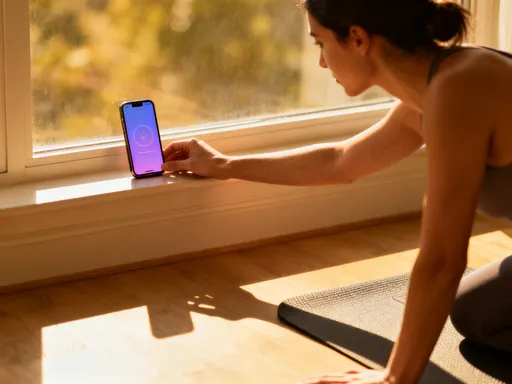
Next, use your reading app to lock it in. Schedule your reading block like any other appointment. Give it a name—“Me Time with My Book” or “Quiet Pages.” Make it visible on your calendar. If your app allows, set a reminder. And while you’re at it, adjust your phone settings. Turn off notifications during that time. Or use focus mode if your app has it. You’re not being antisocial. You’re being intentional.
Now, pair it with a habit you already have. This is called “habit stacking,” and it’s a game-changer. For example: after I pour my coffee, I sit and read for 15 minutes. Or: after I eat lunch, I open my book instead of my social media. The existing habit becomes the trigger for the new one. It makes the behavior automatic over time.
I’ve had clients who read while waiting for their kids’ practices to end. Others read during their commute if they’re on public transit. One woman reads while her dinner is in the oven—standing in the kitchen with a book in one hand and a spoon in the other. It doesn’t have to be perfect. It just has to happen.
The app becomes your partner in this. It reminds you, protects your time, and tracks your progress—not to shame you, but to show you how far you’ve come. And when you see that you’ve read for 15 minutes every day this week, it feels good. It builds confidence. And that confidence makes you more likely to keep going.
When Life Gets Busy—How Flexibility Keeps You on Track
Let’s be real: life happens. One day, your kid is sick. The next, you have a last-minute work deadline. Or you’re traveling and your routine is out the window. That’s when most people give up. They miss one block, feel guilty, and think, “I’ve already failed. I’ll start again next week.”
But here’s the secret: consistency doesn’t mean perfection. It means returning, again and again, even when you slip. And the right app can help you do that with grace.
Some apps now let you reschedule your reading block with a tap. Missed your morning time? No problem. Move it to lunch. Or split it—read 10 minutes now, 10 minutes later. The app adjusts with you. It doesn’t punish you for life’s chaos. It works with it.
I remember a client—let’s call her Sarah. She’s a project manager, mom of three, and always on the go. She was doing great with her morning reading until she had to fly for a work trip. Her hotel had early meetings, and her usual 6:30 a.m. slot disappeared. She almost gave up. But her app suggested a new window: 8:00 p.m., after the kids’ calls. She tried it. It wasn’t ideal, but it worked. And she kept going.
That’s the power of flexibility. When your system adapts, your habit survives. You’re not locked into one time. You’re committed to the practice, not the schedule. And that mindset shift—from rigid to resilient—is what makes habits stick.
So when life gets busy, don’t abandon your plan. Adjust it. Reschedule. Shorten the block. Read one page instead of ten. The goal isn’t to be perfect. The goal is to stay connected to your intention. And every time you return—even briefly—you’re reinforcing the habit.
Beyond Books: How Reading Time Fuels Personal Growth and Calm
Let’s zoom out for a moment. Reading isn’t just about finishing books. It’s about what those books do for you. It’s about the quiet that comes when you’re immersed in a story. The “aha” moment when you learn something that shifts your perspective. The deep breath you take when you put the book down, feeling a little more centered.
Regular reading is a form of self-care. Not the bubble bath kind—though that’s nice too. I mean the kind that feeds your mind and soul. When you read, you’re giving yourself space to think, to reflect, to grow. You’re not just consuming information. You’re reconnecting with yourself.
Studies show that reading reduces stress—more than music, walking, or drinking tea. Just six minutes of reading can lower your heart rate and ease tension. It’s like a mini meditation. And unlike scrolling, which leaves you feeling drained, reading leaves you feeling enriched.
But beyond the science, there’s the emotional benefit. When you make time to read, you’re sending yourself a message: You matter. Your thoughts matter. Your curiosity matters. That’s powerful. Especially for women who spend so much of their time caring for others. Reading becomes a quiet act of self-respect.
I’ve had women tell me they started reading again after years and realized, “I forgot how much I enjoy thinking.” Or, “I feel calmer, like I have more space in my head.” That’s not just about the book. It’s about the ritual. It’s about creating a daily moment that’s just for you.
And over time, that space adds up. You start to notice patterns in your thinking. You become more patient. More present. You remember what it feels like to be curious, not just busy. And that changes how you move through the rest of your day.
Making It Stick: Turning Small Wins into Lasting Change
Here’s the thing about habits: they don’t stick because we force them. They stick because we feel good doing them. And that means celebrating small wins. Did you read for 10 minutes? That counts. Did you reschedule your block instead of skipping it? That’s a win. Did you open your book even though you were tired? That’s courage.
The best reading apps now include gentle insights—like “You’ve read on 6 of 7 days this week,” or “You’ve spent 3 hours with your books this month.” These aren’t about pressure. They’re about reflection. They help you see your progress without judgment.
And when you see that progress, something shifts. You start to believe, “I am someone who reads.” Not “I should,” but “I do.” That identity shift is everything. Because once you see yourself as a reader, the habit becomes part of who you are—not just something you’re trying to do.
But it’s not just about the app. It’s about how you treat yourself along the way. Be kind. If you miss a day, don’t scold yourself. Say, “Tomorrow is a new chance.” If you only read a few pages, say, “That’s how it starts.” Progress isn’t linear. It’s human.
And every time you honor your reading block, you’re doing more than reading. You’re practicing self-trust. You’re showing yourself that you can keep a promise. And that builds confidence that spills into other areas of your life.
So yes, the right app can help. It can remind you, protect your time, and celebrate your wins. But the real magic happens in you. In the quiet moments, the turned pages, the thoughts that unfold. That’s where change begins.
Reading isn’t just a habit. It’s a gift you give yourself—one page, one block, one day at a time.