Tired of Killing Your Plants by Accident? Smart Care That Keeps Them Alive While You Sleep
Ever woken up to droopy leaves or crispy soil and thought, “I just forgot to water it… again”? You’re not alone. So many of us love having greenery at home—until life gets busy and our plants pay the price. But what if your plants could tell you exactly what they need, even while you’re asleep? This isn’t about being a perfect plant parent. It’s about working *with* your routine, not against it—and letting smart tech quietly help you succeed. Imagine coming downstairs in the morning and seeing your peace lily perked up, your succulents thriving, and knowing you didn’t have to guess a single thing. That’s not magic. That’s smart care, working in the background while you live your life.
The Quiet Struggle of Loving Plants (But Not Keeping Them Alive)
Let’s be honest—most of us didn’t grow up learning how to keep a fiddle-leaf fig alive. We bring plants into our homes because they make us feel better. They soften hard edges, clean the air, and bring a little piece of nature into our living rooms. We buy them with hope, imagining lush green corners and the quiet joy of watching something grow. But then life happens. The school pickup runs late. The laundry piles up. You forget to water for three days. Suddenly, the vibrant pothos you bought last week looks sad and limp, and you feel… guilty. Not because you don’t care, but because you do.
That guilt is real, and it’s heavier than most people admit. It’s not just about the plant—it’s about feeling like you’ve failed at something simple. Something that should be easy. You look at the drooping leaves and think, “I can manage a household, a job, maybe even a packed lunch every day—but I can’t keep one plant alive?” That’s not a failure of effort. That’s a mismatch between intention and reality. The truth is, most houseplants don’t die from neglect because we don’t love them. They die because we’re busy. Because we’re tired. Because we’re doing our best, and sometimes, watering the spider plant just isn’t at the top of the list.
And here’s the thing: you’re not a bad plant parent. You’re a human being with a full life. The rhythm of caregiving—kids, work, meals, errands—doesn’t always line up with the needs of a peace lily that likes consistent moisture. The problem isn’t you. It’s the system. We’ve been told to “just pay attention,” but when was the last time you had extra attention to give? That’s why so many indoor plants don’t make it past their first year. Not because people stop caring, but because life keeps moving. The good news? You don’t have to change your life to keep your plants alive. You just need a little help—one that understands your pace, your priorities, and your bedtime routine.
Bedtime: When Neglected Plants Finally Get Noticed
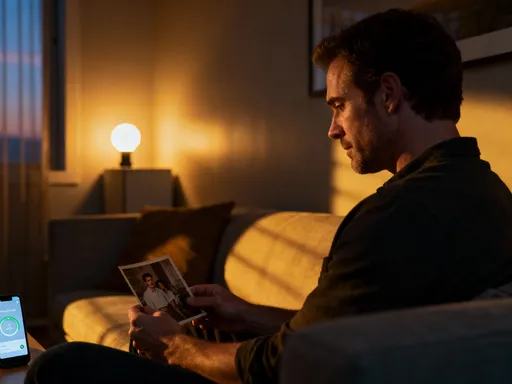
There’s something about the quiet of night that makes us more aware. The house settles. The screens dim. You pour a cup of tea, wrap yourself in a cozy blanket, and finally breathe. And in that stillness, you see it—the dusty monstera in the corner, the dry soil in the herb pot, the slight curl at the edge of your snake plant’s leaves. It’s not dramatic. It’s subtle. But it’s there. And suddenly, you feel that familiar pang: “I should have watered that yesterday.”
Bedtime is when we reflect. When we notice the small things we missed during the rush. It’s also when we feel the weight of what we didn’t do. But here’s a thought: what if that moment of awareness didn’t have to lead to guilt? What if, instead of realizing your basil is thirsty *after* it’s already stressed, you knew *before* it reached that point? What if your home could help you care, not criticize you for forgetting?
For so many of us, the evening is the only time we truly slow down. It’s when we reconnect with ourselves, with our spaces, with the little routines that bring comfort. And yet, it’s also when plant problems become visible—often too late to fix that night. You can’t water a dehydrated plant at 10 p.m. if you’re just noticing it now. But what if your plants could speak up earlier? What if they could send a gentle nudge during your wind-down time, not to add stress, but to offer support? That’s where smart care comes in—not to replace your attention, but to meet you where you are: tired, loving, and doing your best.
Imagine sipping your chamomile tea and getting a soft notification: “Your aloe is doing great—just needs a little water in two days.” No panic. No guilt. Just a quiet heads-up, perfectly timed. That’s the kind of support that fits into real life. It doesn’t demand perfection. It just helps you stay connected, even when you’re not looking.
How Smart Plant Sensors Turn Guilt into Guidance
Let’s talk about how this actually works—without the jargon. Smart plant sensors are small devices that you gently place in the soil of your potted plants. They’re not flashy. They don’t take up space. Most are about the size of your thumb and blend right in. But inside, they’re quietly doing something powerful: they measure what your plant actually needs—moisture, light levels, soil nutrients—and they send that information to your phone or smart speaker.
Think of them like a translator. Your plant can’t say, “Hey, I’m getting too much sun,” or “My roots are sitting in wet soil.” But the sensor can. And instead of overwhelming you with data, it gives you simple, clear messages—like “Move me a few feet from the window” or “Wait another day before watering.” No guesswork. No overthinking. Just gentle, timely guidance.
And the best part? These alerts can come at the perfect time—when you’re already winding down. Picture this: you’re brushing your teeth, and your smart speaker says, “Just a heads-up—your mint plant is ready for a light watering tomorrow.” It’s not an interruption. It’s a helpful reminder, delivered in a calm voice, during a moment you’re already pausing. That’s the kind of tech that doesn’t add to your load. It lifts it.
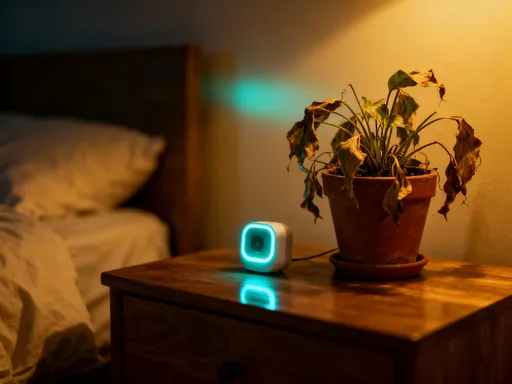
These sensors don’t expect you to be a botanist. They don’t require daily check-ins or complicated apps. Many work for months on a single charge and sync automatically. Some even glow softly when your plant needs attention—like a quiet pulse of light on your nightstand. It’s not about constant monitoring. It’s about peace of mind. Knowing that even when you’re not looking, someone—or something—is watching over your green friends.
Integrating Plant Care into Your Nightly Routine
The secret to making any new habit stick is to tie it to something you already do. That’s why smart plant care works so well with bedtime routines. Most of us already have little rituals—checking our phones, setting the alarm, saying goodnight to the house. Why not let plant care be part of that?
For example, you might set up a nightly “green check-in” with your smart speaker. As you turn off the living room lights, you say, “Hey, how are the plants doing tonight?” And it responds: “The peace lily is happy. The rosemary could use a little water tomorrow. All others are good.” It takes ten seconds. It feels like a conversation. And suddenly, you’re connected—not just to your devices, but to your home in a deeper way.
Or maybe you get a bedtime summary on your phone—a gentle notification that rolls in around 9 p.m. with a quick update: “3 plants doing well. 1 needs water in 48 hours. Light levels stable.” No pressure. No guilt. Just information, delivered when you’re most open to it. You don’t have to act right away. You just know.
Some sensors even use soft visual cues—like a color-changing light on the device itself. A steady green means all is well. A slow blue pulse means it’s time to water. You might notice it while reading in bed, and instead of feeling bad, you feel prepared. “Okay, I’ll grab the watering can tomorrow morning.” That’s the power of timing. When care comes at the right moment, it doesn’t feel like a chore. It feels like a small act of love.
And here’s a bonus: when your plants thrive, your space feels more alive. You walk into a room and feel calmer. The air feels fresher. There’s a quiet pride in knowing you’re keeping things green—even if the tech helped you remember. That’s not cheating. That’s smart living.
Real Stories: From Plant Killer to Confident Caretaker
Sarah, a nurse in Ohio, used to joke that she had a “black thumb.” She worked night shifts, came home exhausted, and somehow always managed to overwater or underwater her plants. Her snake plant—the one supposed to be “un-killable”—died twice. She’d buy a new one, full of hope, and within weeks, it would start yellowing at the base. “I felt silly,” she told me. “Like if I could handle ICU patients, why couldn’t I keep one plant alive?”
Then she tried a smart sensor. She slipped it into the soil of her newest snake plant and linked it to her phone. One night, as she was getting into bed, her smart speaker said, “Low light. Consider moving me to a brighter spot.” She blinked. “Wait—my plant is talking to me?” She laughed, but she did it. She moved the plant near the kitchen window the next morning. A week later, another alert: “Soil dry. Water lightly.” She did. And something shifted.
“It wasn’t about being perfect,” she said. “It was about getting help at the right time. I wasn’t failing anymore. I was learning.” Today, that snake plant is thriving. She’s added two more—a pothos and a peace lily—and both are doing well. “I don’t stress about them,” she says. “I check in at night, get a quick update, and feel good knowing they’re okay. It’s like having a little helper.”
Then there’s Maria, a mom of three in Texas. Between school runs and meal prep, her plants were an afterthought. “I’d forget for days,” she said. “Then I’d see the drooping leaves and feel guilty. Like I wasn’t doing enough.” She started using a sensor with a soft night light feature. When her aloe needed water, it glowed a gentle blue. “I’d see it while reading to my kids,” she said. “It wasn’t annoying. It was kind of sweet. Like my plant was whispering, ‘Hey, I need a little love.’”
Now, plant care isn’t a source of stress. It’s a quiet moment of connection. “I feel like I’m not just surviving,” she said. “I’m nurturing something. And it feels good.”
Choosing the Right Tools Without the Tech Stress
I know what you’re thinking: “Isn’t this just more tech to manage? Another app? Another device to charge?” And you’re right to wonder. Not all gadgets are created equal. Some are complicated, finicky, or demand constant attention. That’s not what we want. We want tools that work quietly, reliably, and disappear into the background of our lives.
So how do you pick the right one? First, look for simplicity. The best sensors give you clear, plain-language alerts—no graphs, no jargon. You shouldn’t need a manual to understand what your plant needs. Second, check the battery life. You don’t want to be swapping out batteries every few weeks. Look for models that last six months or more on a single charge. Third, consider how it fits into your space. Does it blend in? Is it easy to install? Can it connect to your existing smart speaker or phone without a fuss?
Also, avoid anything that feels like a project. You’re not trying to build a smart garden from scratch. You’re looking for a little help with the plants you already love. So skip the systems that require multiple sensors, complex setups, or constant tweaking. The goal is support, not stress.
And remember: you don’t need a sensor for every plant. Start with one or two—the ones you care about most or the ones that always seem to struggle. See how it feels. If it helps, add another. But don’t feel pressured to go all-in. This isn’t about creating a high-tech jungle. It’s about making your current green life a little easier, a little kinder, a little more peaceful.
Growing More Than Plants: Peace, Patience, and Presence
In the end, this isn’t just about keeping plants alive. It’s about how we care for ourselves, our homes, and the small things that bring us joy. When we stop seeing plant care as a test of discipline and start seeing it as an act of connection, everything changes. We’re not failing when we forget to water. We’re human. And we deserve tools that help us thrive—without burning out.
Smart plant sensors do more than monitor soil. They help us slow down. They give us permission to ask for help. They turn moments of guilt into moments of care. And in a world that never stops moving, that’s a quiet kind of revolution.
Think about it: when your plants are healthy, your home feels different. It feels more alive. More peaceful. More like *you*. And when you’re not worried about killing the basil on the windowsill, you have more space to enjoy the smell of fresh herbs, the sound of the wind through the leaves, the simple pride of seeing something grow because you showed up—even if the tech helped you remember.
Success isn’t a perfect jungle of green. It’s a home where both people and plants feel seen. Where care isn’t a burden, but a rhythm. Where technology doesn’t distract, but supports. Where you can rest at night knowing that even in the quiet, something is looking out for the things you love.
So go ahead. Let your plants speak. Listen when they whisper. And let yourself be the kind of caretaker who doesn’t have to do it all alone. Because you’re not just growing plants. You’re growing peace. And that’s something worth nurturing.