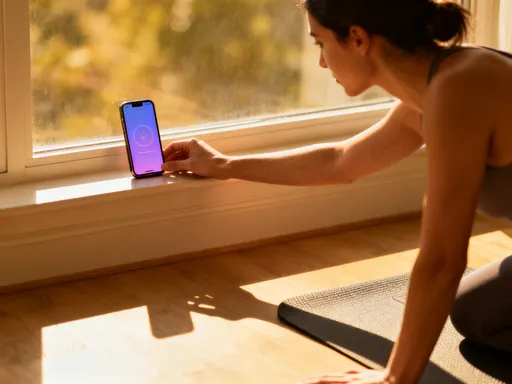
More Than Watts Saved: How Energy Apps Helped Me Remember What Matters
Life moves fast, and between work, chores, and trying to stay present, I kept losing little moments—my mom’s birthday, the anniversary of our first apartment, even my go-to recipe for rainy days. I wanted to hold onto these memories, not just the bills and routines. Then I discovered something unexpected: energy-saving apps didn’t just cut my electricity costs—they brought structure, awareness, and intentionality into my days. They helped me create space, both in my home and in my mind, to preserve what truly matters. It wasn’t about smart meters or kilowatts—it was about reclaiming my time, my attention, and my heart.
The Cluttered Mind: When Daily Life Overwhelms Memory
Have you ever stood in the kitchen, coffee in hand, and realized you can’t remember the last time you called your sister? Or scrolled through your phone, overwhelmed by reminders for grocery pickups and oil changes, yet missed your nephew’s school play? I’ve been there—more times than I’d like to admit. My days felt like a blur of tasks, and the moments I wanted to remember most slipped through the cracks. Birthdays came and went. Traditions faded. Even simple things, like the way my daughter used to hum while coloring, started to blur into the background noise of life.
It wasn’t that I didn’t care. I cared deeply. But caring doesn’t always translate into remembering. The truth is, our brains weren’t built to juggle endless to-do lists, calendar alerts, and emotional milestones all at once. We’re not machines. And when our mental space is crowded, the soft, beautiful things—like a shared laugh or a quiet moment watching the sunset—get drowned out. I felt disconnected, not just from my family, but from myself. I was doing everything, but remembering nothing.
I tried everything—sticky notes on the fridge, calendar pop-ups, voice memos. But they felt scattered, temporary. I needed something that could weave memory into the rhythm of my life, not just shout at me from the sidelines. What I didn’t expect was that the answer would come from a place I’d never considered: the apps I downloaded to save on my electric bill. At first, I thought they were just about cutting costs. But they ended up doing so much more—they gave me back my focus, my calm, and my connection to what really matters.
Finding Rhythm in Routines: How Energy Tools Create Daily Anchors
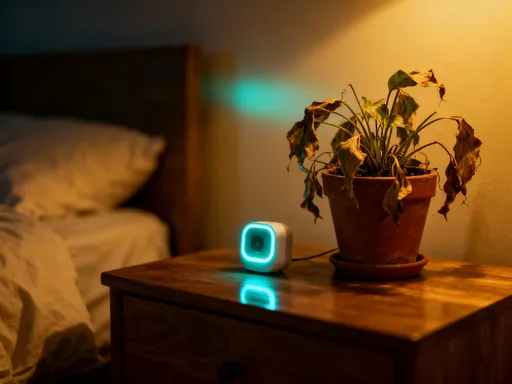
I started using an energy monitoring app because my utility bill had been creeping up, and I wanted to understand why. I installed smart plugs, connected my thermostat, and began tracking usage. At first, it was all numbers and graphs. But then, something shifted. I noticed a pattern: every night around 11 p.m., the app would send a gentle alert—“High energy use detected. Consider turning off unused devices.” That little message became more than a nudge to save power. It became a pause button for my day.
Instead of rushing to silence the notification, I started pausing. I’d look around—lights still on in the kitchen, the TV humming in the background, my phone charging for the third time. And in that moment, I’d ask myself, “What else am I leaving on?” Not just appliances, but connections. When was the last time I checked in with my best friend? Did I tell my son I was proud of him today? That nightly alert didn’t just help me save energy—it helped me reconnect with my own heart.
Over time, these small moments added up. The app’s alerts became natural anchors in my day. Morning check-ins showed me when the house woke up. Midday reports reminded me to unplug the coffee maker— and to take a real lunch break, not just eat at my desk. Evening summaries didn’t just highlight savings—they highlighted presence. I began to see my energy use not as a chore, but as a mirror. It reflected how I was living, not just how I was consuming. And in that reflection, I found a rhythm that helped me slow down, breathe, and remember what each day was really for.
Lighting the Way: Using Smart Homes to Trigger Personal Reminders
One of the most beautiful surprises came from my smart lighting system. I bought smart bulbs to dim the lights automatically at bedtime and reduce energy waste. But soon, I realized they could do so much more. Light has always been emotional for me—the warm glow of holiday candles, the soft lamp in my childhood bedroom, the way sunlight hits the kitchen table in the late afternoon. So I started programming my bulbs not just for efficiency, but for meaning.
I set up a routine: every Sunday at 7 p.m., the living room lights shift to a soft amber hue. It’s also the time when my home energy use drops into “low” mode, thanks to the app’s scheduling. But now, that light change means something deeper. It’s my signal to sit down with my journal and write one thing I’m grateful for from the week. Sometimes it’s big—my daughter’s first solo bike ride. Sometimes it’s small—how the rain sounded on the roof while we baked cookies. But each entry becomes a tiny treasure, a moment I might have otherwise let slip away.
I’ve done the same with other routines. On the first day of each month, the hallway lights flash gently in a wave pattern—just enough to catch my eye. It reminds me to call my mom, something I used to forget when life got busy. On my anniversary, the bedroom lights glow a soft pink for ten minutes—our favorite color from our wedding day. These aren’t grand gestures. But they’re consistent. They’re quiet. And they’ve brought back traditions I thought I’d lost. Technology didn’t replace the human touch—it amplified it. By linking energy-saving actions to personal rituals, I turned efficiency into emotional touchpoints. Now, a simple shift in lighting doesn’t just conserve energy—it reconnects me to myself and the people I love.
Data With Heart: Seeing Patterns That Reveal More Than Usage
One Saturday morning, I opened my energy app out of habit and paused. The weekly report showed something unusual: energy use spiked every Thursday night. Not dramatically, but consistently. At first, I thought maybe the dishwasher was running late or the kids left the game console on. But then I looked closer. Those were also the nights I stayed up late, scrolling, feeling restless. The nights I didn’t call anyone. The nights I ate dinner alone.
It hit me: my energy use wasn’t just reflecting my appliances. It was reflecting me. High consumption mirrored lonely nights. Low, steady usage lined up with family dinners, game nights, and early bedtimes. The app wasn’t judging me—it was showing me patterns I hadn’t seen. And once I saw them, I could do something about them.
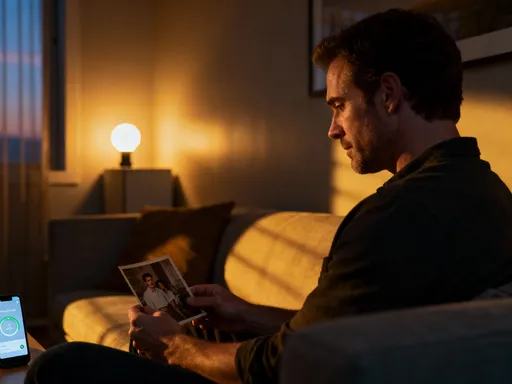
I started using the data to plan with intention. On high-energy evenings, I began scheduling calls with my siblings. I invited a friend over for tea on nights when the house felt too quiet. When the app showed a calm, consistent week, I celebrated—not with shopping or treats, but by printing photos from that week and putting them in an album. The numbers weren’t cold. They were compassionate. They gave me clues about how I was really feeling, even when I didn’t have the words. And in that quiet reflection, I found a way to protect my joy, my connection, and my peace—one mindful choice at a time.
Memory Preservation Through Mindful Efficiency
Here’s something I never expected: saving energy taught me how to save memories. It sounds strange, I know. But the skills I developed—pausing, observing, choosing—didn’t stay in the utility room. They spilled over into the rest of my life. I became more aware of fleeting moments. I started recording my grandma’s stories about her garden before her memory faded. I saved my son’s crayon drawing of our dog, not just because it was cute, but because it captured a moment in time.
I even linked my digital backup habits to energy milestones. For example, every time my solar panels hit 300 kWh generated, I back up all family photos to the cloud. When we reduce our monthly usage by 15%, I transfer a few voice memos to a special folder labeled “Voices of Home.” These aren’t random rewards—they’re rituals. They tie efficiency to emotion, action to memory. And because they’re tied to something measurable, they stick.
I’ve also started using my smart display in the kitchen not just for recipes, but as a digital memory board. On low-energy days—when we’ve been mindful, present, and connected—the screen shows a rotating gallery of old family photos. It’s a quiet celebration of not just what we saved, but who we were that day. Efficiency became a gateway to intentionality. And intentionality became a way to preserve the stories that matter most. I’m not just lowering my carbon footprint—I’m deepening my emotional one.
Building a Life That Lasts—One Watt and One Moment at a Time
Looking back, I realize I wasn’t just trying to save money on electricity. I was trying to save something deeper—my attention, my presence, my connection to the people and moments that make life meaningful. The apps didn’t fix everything overnight. But they gave me tools to build a life that feels more intentional, more balanced, more alive.
Less waste didn’t just mean lower bills. It meant more space—space in my home, space in my schedule, space in my heart. Every time I turned off a light or adjusted the thermostat, I wasn’t just conserving energy. I was making room for something else: a conversation, a memory, a moment of stillness. I began to see that efficiency isn’t about doing more with less—it’s about making space for what matters most.
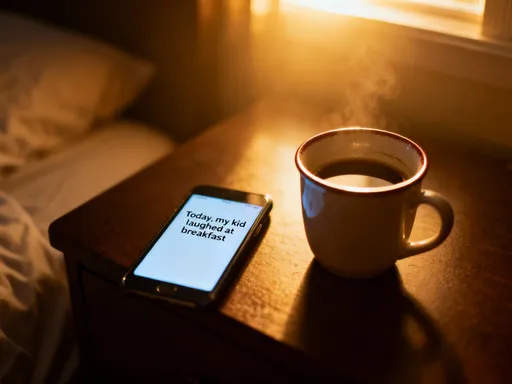
And that space has changed everything. I’m more present with my kids. I call my parents more often. I notice the small things—the way my dog stretches in the morning sun, the sound of my husband laughing at breakfast. These aren’t grand achievements. But they’re the fabric of a life well-lived. By aligning my energy habits with my values, I’ve created a rhythm that supports not just sustainability, but joy, connection, and love. And that, to me, is the real return on investment.
The Quiet Power of Tech That Cares
We often think of technology as loud, flashy, demanding our attention. But the tools that have made the biggest difference in my life are the quiet ones. The gentle alert. The soft glow of a bulb. The weekly summary that doesn’t shout, but whispers, “You’re doing okay. And you’re not alone.”
These aren’t just apps. They’re companions in my daily life. They don’t replace human connection—they enhance it. They don’t automate my emotions—they help me feel them more deeply. And they’ve taught me that progress isn’t always about speed or convenience. Sometimes, it’s about stillness. About noticing. About remembering.
If you’re feeling overwhelmed, like your days are passing too quickly and your memories are fading, I want to tell you this: help can come from unexpected places. It might be in the form of an app you thought was just about saving power. It might be a light that reminds you to pause. It might be a number on a screen that helps you see your life more clearly.
Technology doesn’t have to dazzle to make a difference. Sometimes, it’s the gentle nudge, the soft light, the quiet alert that helps us reclaim our days—and our memories. And in those quiet moments, we find what really matters: not just a lower bill, but a fuller life.